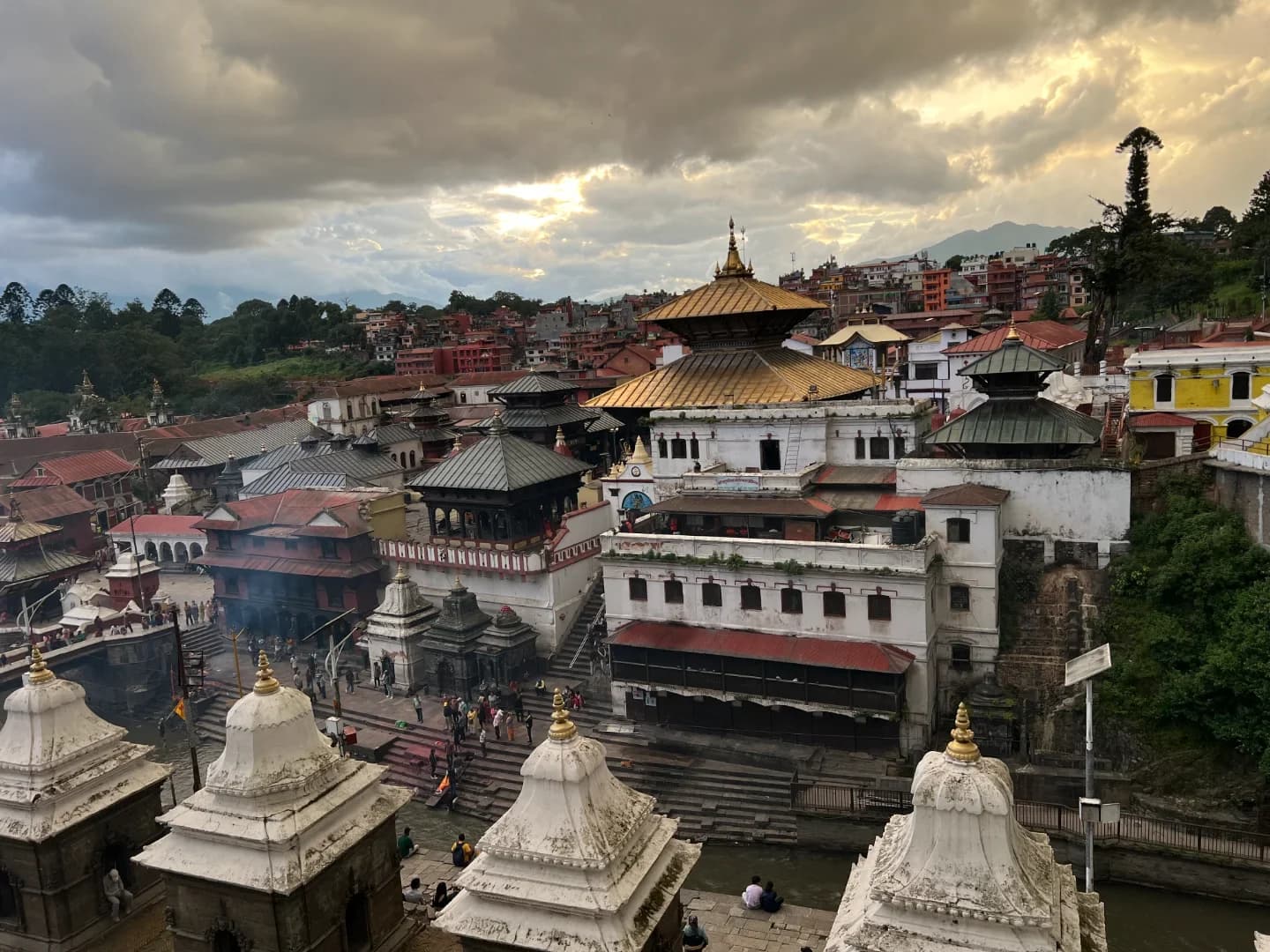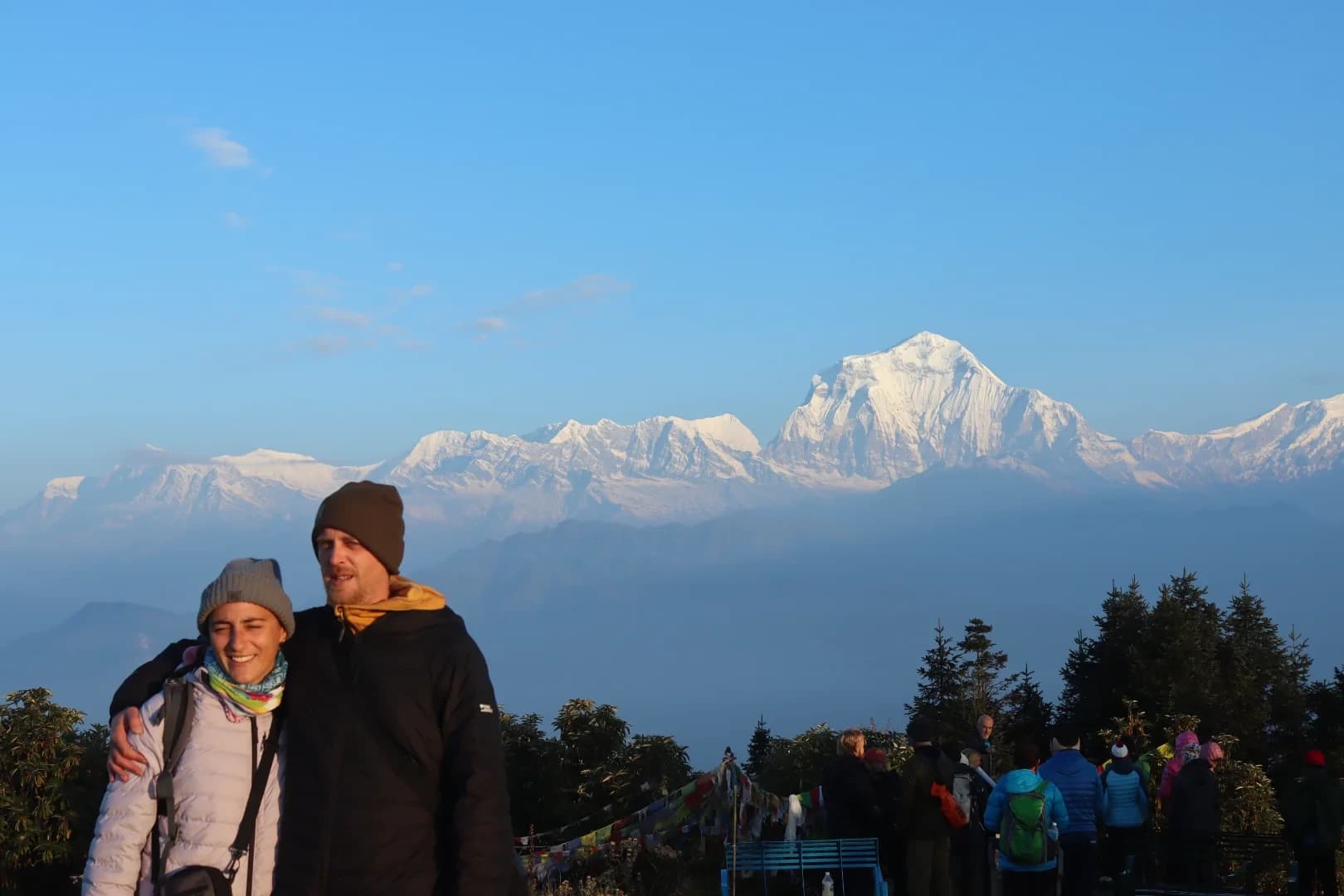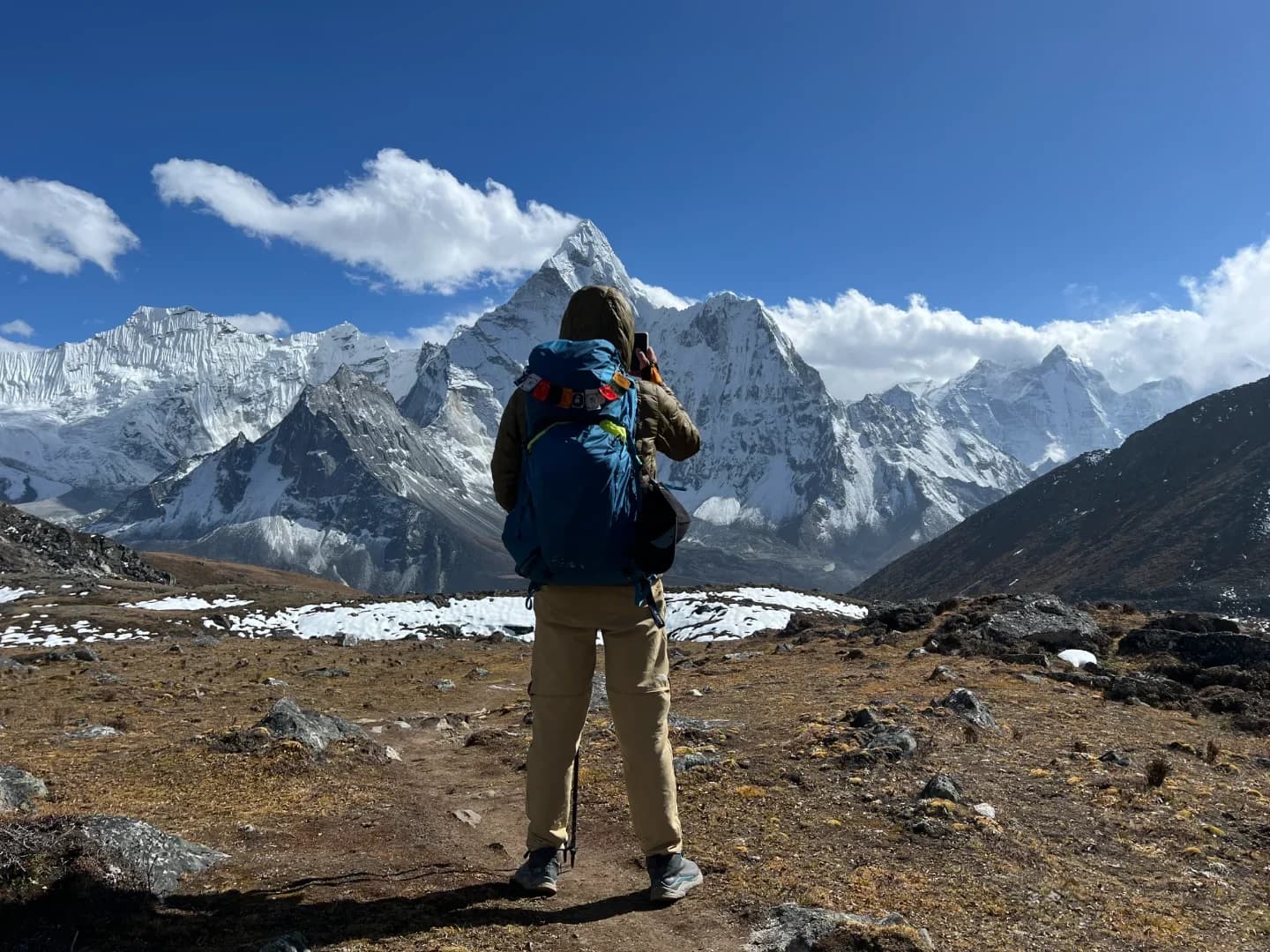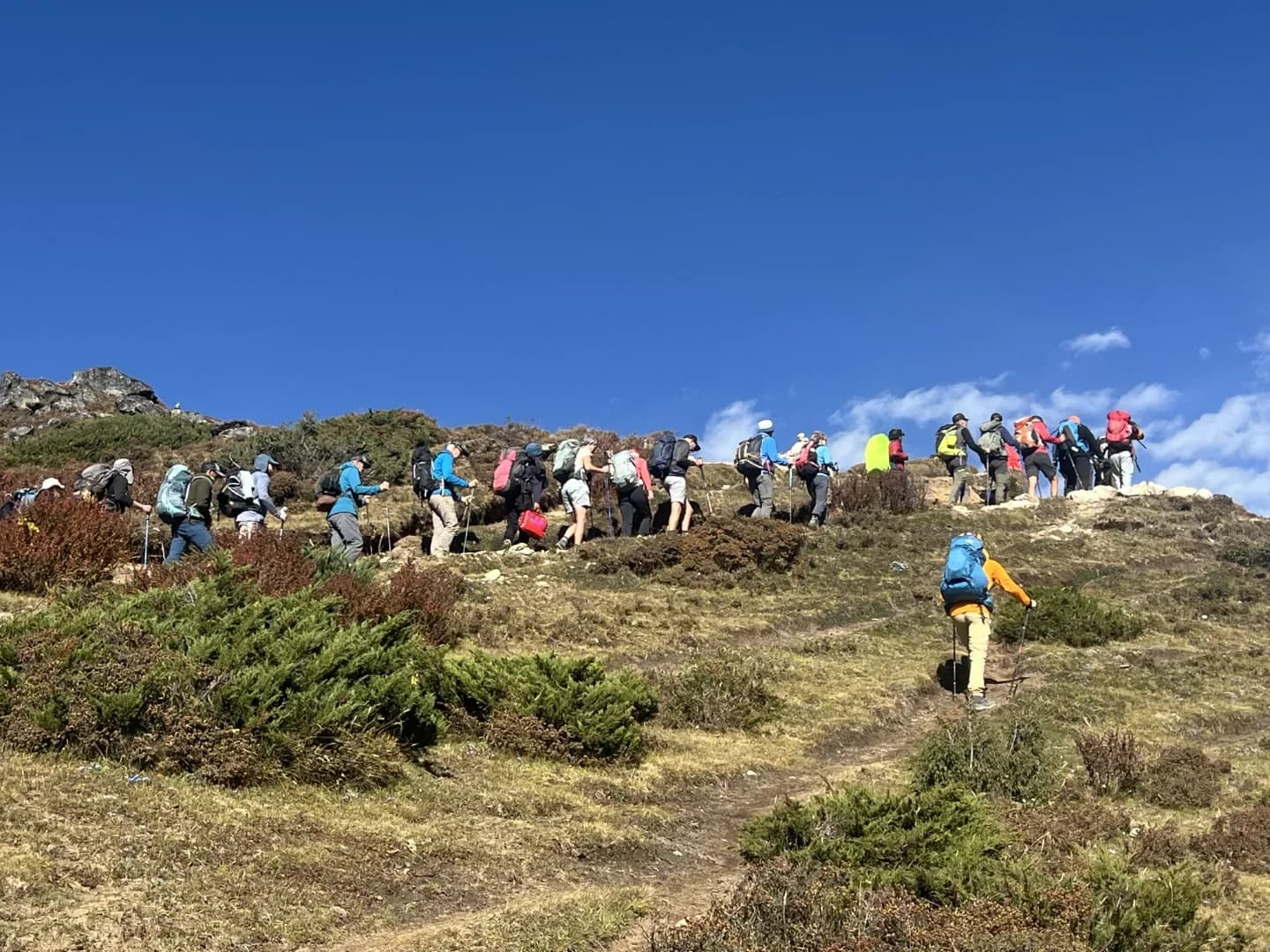
"Nepal isn’t just a trekking destination, it’s a life-changing experience. From walking beneath the world’s highest peaks to sharing tea with locals in remote mountain villages, trekking here is raw, real, and unforgettable. But before you lace up your boots and head into the Himalayas, there are some important things you absolutely must know. Whether you’re planning Everest Base Camp, Annapurna, Langtang, or an off-the-beaten-path adventure, this guide will help you trek smarter, safer, and happier."
Nepal is home to eight of the world's fourteen highest mountains and offers some of the most breathtaking trekking routes on Earth. From the iconic Everest Base Camp Trek to the scenic Annapurna Circuit, peaceful Langtang Valley, and remote Manaslu region, Nepal has trails suitable for beginners and experienced trekkers alike.
However, trekking in the Himalayas is very different from ordinary hiking. High altitude, changing weather, remote villages, and limited facilities require proper planning. Whether you are visiting Nepal for the first time or returning for another adventure, understanding the basics will help you enjoy a safer, more comfortable, and unforgettable journey.
This guide covers everything you should know before trekking in Nepal.
Why Trekking in Nepal Is Special
Nepal offers more than spectacular mountain views. Every trail takes you through traditional villages, ancient monasteries, lush forests, suspension bridges, alpine meadows, and glaciers. Along the way, you'll experience the warm hospitality of local communities, diverse cultures, and stunning Himalayan landscapes.
Unlike many trekking destinations around the world, Nepal combines adventure with cultural immersion, making every journey unique.
Choose the Right Trek for Your Fitness Level
One of the biggest mistakes travelers make is selecting a trek based only on photos.
Instead, consider:
Trek duration
Maximum altitude
Daily walking hours
Trail difficulty
Previous hiking experience
Physical fitness
Easy Treks
Ideal for beginners:
Ghorepani Poon Hill Trek
Mardi Himal Trek
Lower Everest Trek
Helambu Trek
Moderate Treks
Suitable for active hikers:
Langtang Valley Trek
Annapurna Base Camp Trek
Everest Base Camp Trek
Challenging Treks
Recommended for experienced trekkers:
Annapurna Circuit
Manaslu Circuit Trek
Everest Three Passes Trek
Kanchenjunga Trek
Choosing a trek that matches your ability makes the experience far more enjoyable.
Know the Best Time to Trek in Nepal
Nepal has four distinct seasons, but two are considered the best for trekking.
Spring (March to May)
Spring is one of the most popular trekking seasons.
You'll enjoy:
Warm temperatures
Blooming rhododendron forests
Clear mountain views
Longer daylight hours
This season is perfect for Everest, Annapurna, Langtang, and Manaslu regions.
Autumn (September to November)
Autumn offers the clearest mountain views after the monsoon.
Benefits include:
Stable weather
Comfortable temperatures
Excellent visibility
Peak trekking season
Most experienced trekkers consider autumn the best time to visit Nepal.
Winter (December to February)
Winter trekking is possible on lower-altitude routes. Higher passes may receive heavy snowfall and become inaccessible.
Monsoon (June to August)
Heavy rainfall affects many trekking areas, especially in eastern and central Nepal. Trails can become muddy and slippery, although rain-shadow regions like Upper Mustang and Dolpo remain excellent options.
Understand Trekking Permits
Most trekking routes require permits.
Depending on your destination, you may need:
TIMS Card (where applicable)
National Park Permit
Conservation Area Permit
Restricted Area Permit
Restricted regions such as Upper Mustang, Upper Dolpo, Nar Phu, and Manaslu require special permits and must be visited with a licensed trekking agency.
Always verify permit requirements before your trip.
Hire a Guide or Trek Independently?
Many trekking regions now require licensed guides for safety and conservation.
A professional guide can:
Navigate safely
Handle emergencies
Arrange accommodation
Explain local culture
Communicate with locals
Assist with altitude-related issues
Hiring a guide also supports local communities and creates employment in mountain regions.
If you're carrying heavy gear, consider hiring a porter as well.
Prepare for High Altitude
Altitude sickness is one of the biggest concerns while trekking in Nepal.
It can affect anyone, regardless of age or fitness.
Common Symptoms
Headache
Nausea
Dizziness
Loss of appetite
Fatigue
Difficulty sleeping
How to Prevent Altitude Sickness
Ascend gradually
Stay hydrated
Avoid alcohol
Eat nutritious meals
Include acclimatization days
Walk slowly
Listen to your body
Never ignore symptoms of altitude sickness.
Descending to a lower elevation is often the best treatment.
Train Before Your Trek
Although many treks don't require technical climbing skills, good fitness makes the journey much more enjoyable.
Aim to train at least six to eight weeks before arrival.
Focus on:
Cardio exercises
Hiking
Stair climbing
Leg strength
Core workouts
Endurance training
Walking with a backpack helps prepare your body for trekking conditions.
Pack Smart, Not Heavy
Packing properly can make a huge difference during your trek.
Essential Clothing
Moisture-wicking base layers
Fleece jacket
Down jacket
Waterproof shell
Trekking pants
Thermal clothing
Warm hat
Gloves
Trekking Gear
Hiking boots
Trekking poles
Daypack
Sleeping bag
Headlamp
Water bottles
Sunglasses
Sunscreen
Personal Items
First-aid kit
Personal medications
Power bank
Camera
Passport copies
Travel insurance documents
Pack only what you'll actually use to keep your backpack manageable.
Get Travel Insurance
Never trek in Nepal without travel insurance.
Your policy should cover:
High-altitude trekking
Helicopter evacuation
Medical treatment
Trip cancellation
Emergency rescue
Medical evacuations from remote mountain regions can be extremely expensive without insurance.
Stay in Local Tea Houses
Most popular trekking routes have tea houses offering simple accommodation and meals.
Typical facilities include:
Twin-sharing rooms
Shared bathrooms
Local meals
Charging facilities (often with a fee)
Wi-Fi (limited in some areas)
Expect basic but comfortable conditions, especially at higher elevations.
Food and Drinking Water
Tea houses serve freshly prepared meals.
Popular choices include:
Dal Bhat
Fried rice
Noodles
Pasta
Pancakes
Soup
Eggs
Tea and coffee
Drink only purified water.
Avoid untreated tap water and carry water purification tablets or a reusable filtration bottle.
Respect Local Culture
The Himalayas are home to many ethnic communities with unique traditions.
While trekking:
Dress modestly
Ask before taking photographs
Respect monasteries and sacred sites
Walk clockwise around stupas
Remove shoes before entering temples
Follow your guide's advice
Respectful behavior helps preserve Nepal's rich cultural heritage.
Carry Enough Cash
ATMs are available in Kathmandu and Pokhara, but many trekking regions have limited or no banking services.
Carry sufficient Nepalese Rupees for:
Snacks
Charging devices
Wi-Fi
Hot showers
Tips
Personal expenses
Cash is essential in remote villages.
Internet and Mobile Connectivity
Mobile coverage has improved significantly across popular trekking routes.
However, connectivity may be limited at higher elevations.
Many tea houses offer Wi-Fi for an additional charge, though speeds are often slow.
Consider purchasing a local SIM card before your trek.
Environmental Responsibility
Nepal's mountains are incredibly fragile ecosystems.
Help protect them by:
Carrying reusable water bottles
Avoiding single-use plastics
Packing out your waste
Staying on marked trails
Respecting wildlife
Supporting eco-friendly lodges
Responsible trekking ensures these beautiful trails remain preserved for future generations.
Book with a Reputable Trekking Company
Choosing a reliable trekking company ensures a smoother experience from arrival to departure.
Look for companies that provide:
Licensed guides
Transparent pricing
Government registration
Safety equipment
Emergency support
Positive traveler reviews
Customized itineraries
A professional trekking company helps you focus on enjoying your adventure while handling logistics.
Final Thoughts
Trekking in Nepal is a once-in-a-lifetime experience that combines breathtaking Himalayan scenery, rich cultural encounters, and unforgettable adventures. With proper planning, realistic expectations, suitable equipment, and attention to safety, you'll be well prepared to explore some of the world's most iconic mountain trails.
Whether you dream of reaching Everest Base Camp, exploring the Annapurna region, wandering through Langtang Valley, or venturing into the remote Manaslu Circuit, preparation is the key to an enjoyable and rewarding journey.
Take your time, respect the mountains and local communities, travel responsibly, and embrace every step of your Himalayan adventure. The memories you create while trekking in Nepal will stay with you long after you've returned home.
Gallery