Everest Base Camp Trek
Trip Overview
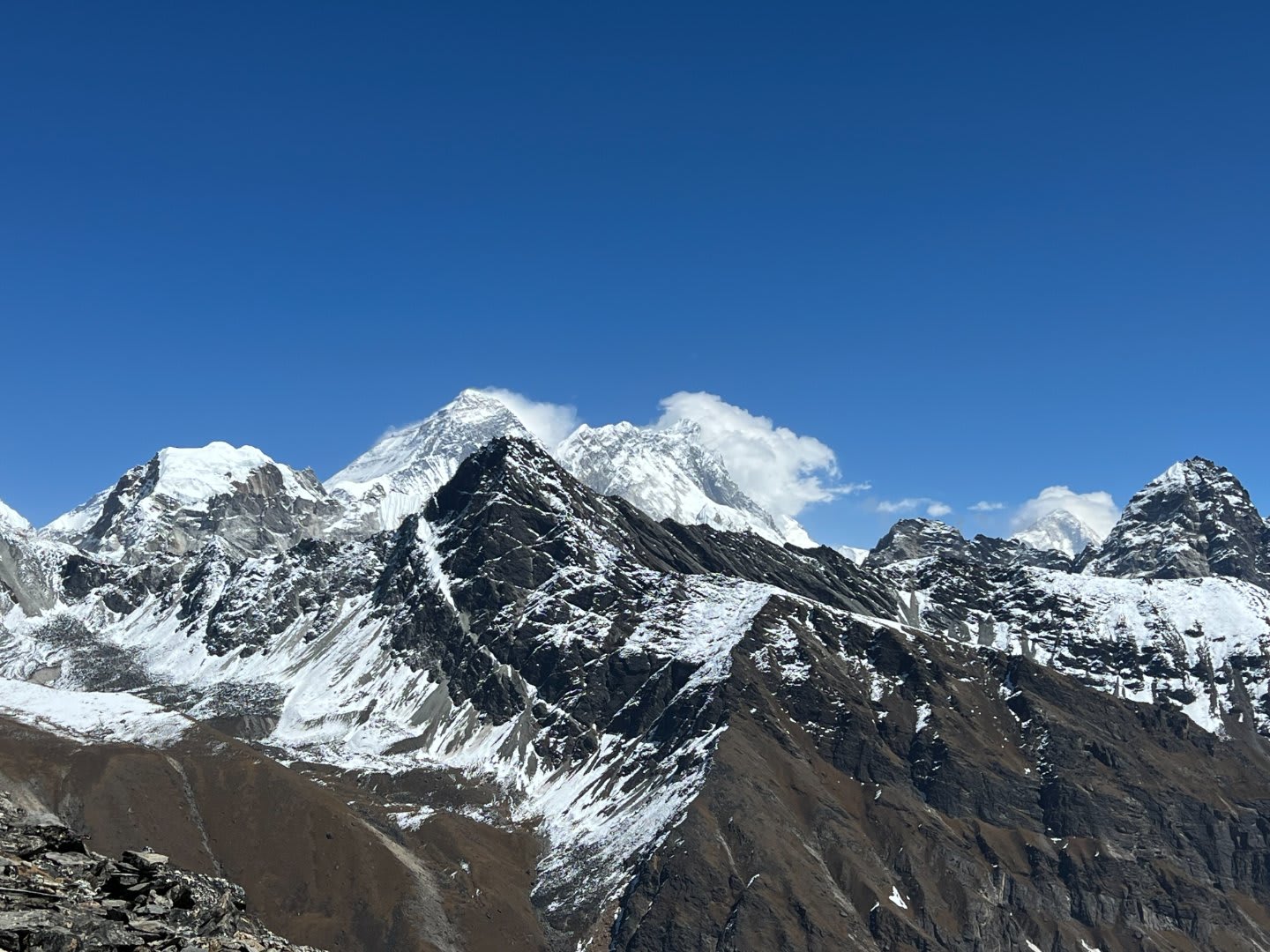
The Everest Base Camp trek for 12 days is a perfect Himalayan adventure by combining the thrill of the world's highest peak base camp with a relaxing and moderate pace itinerary. Besides the amazing mountain landscapes, this trip from Destination Guru Tours and Treks also includes a cultural immersion with the Sherpas, and wonderful high-altitude experiences in the Khumbu region of Nepal.
The itinerary that takes you from Lukla flight to the base of the world's highest peak, Everest (8,848. 86m), is certainly a unique experience that adventure lovers will never forget.
Highlights
Short Itinerary
Trip Overview
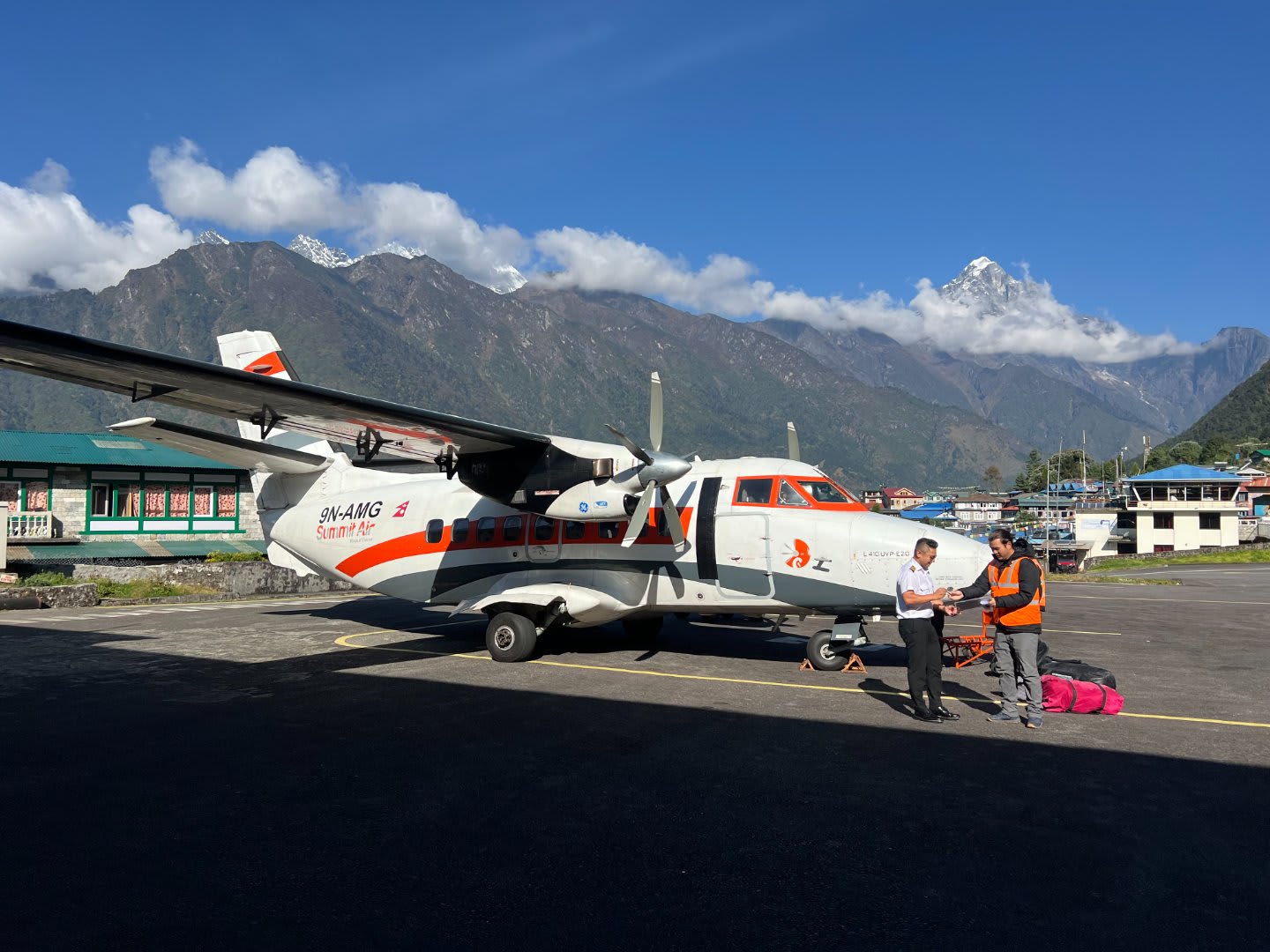
You adventure actually begins in Kathmandu (1,350m) where a pre-trek briefing will introduce you to the trek, and your gear will be checked for the last time. A mountain flight with a stunning view will then take you to Lukla (2,840m) or Tenzing-Hillary Airport. Lukla is the gate to the Everest region and the flight, although very short, gives you a chance to see the Himalayas for the first time from the air and therefore, it sets the mood for the entire trip. The route from Lukla though the trail leading to the river Dudh Koshi on the Sherpa villages of Phakding, solar-powered and Monjo where you can visit their culture and lifestyle for the first time.
After a short time, the path officially pass Sagarmatha National Park, which is a gorgeous and peaceful Himalayan nature reserve with a large variety of plants and animals, dazzling glaciers, and dominant peaks that have been recognized by UNESCO as a World Heritage site. The suspension bridges of the river that you cross to change the river sides are usually adorned with colorful prayer flags so that you can enjoy the moment while the altitude gradually changes. The climb from Namche Bazaar (3,440m) is definitely one of the greatest parts of the trek.
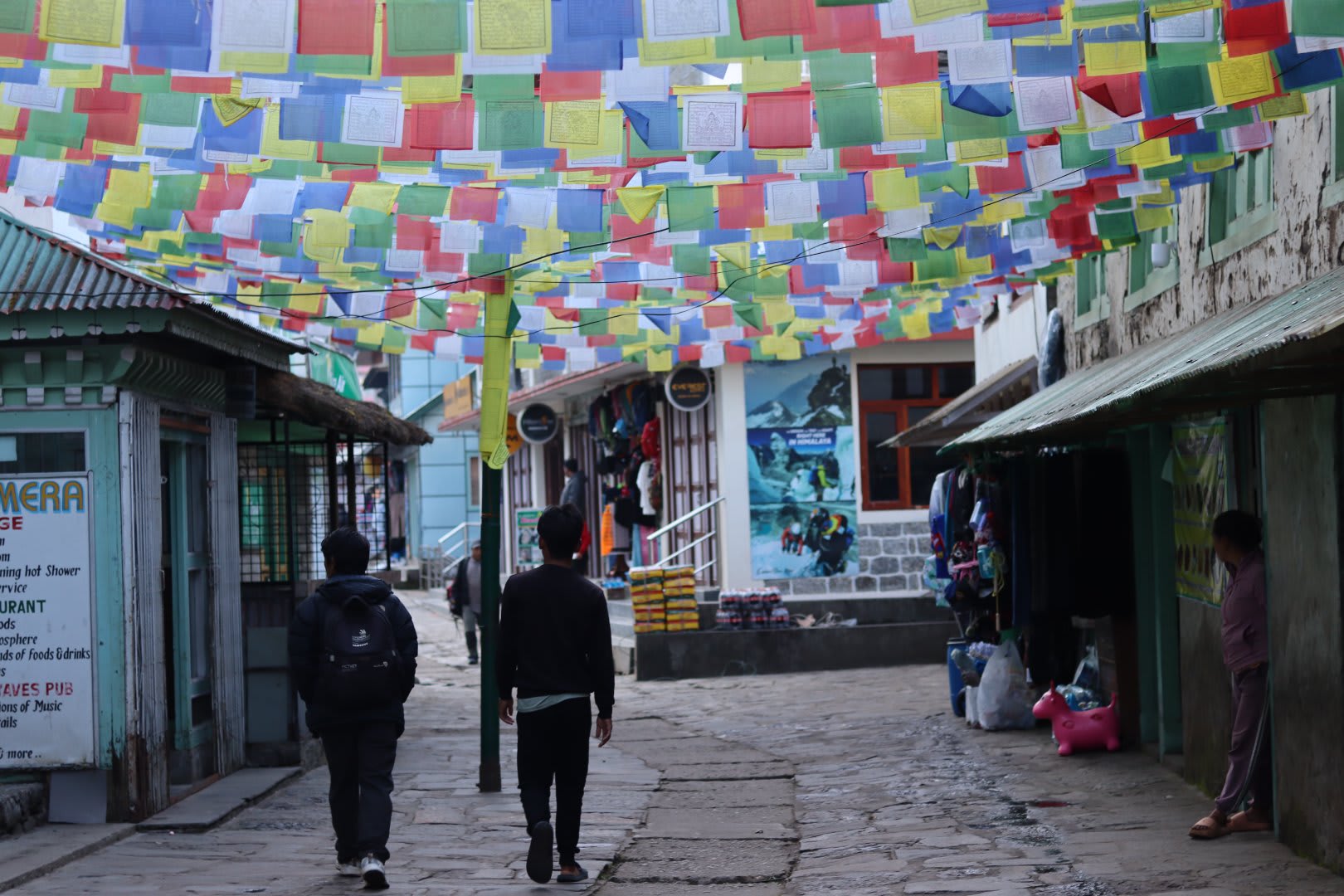
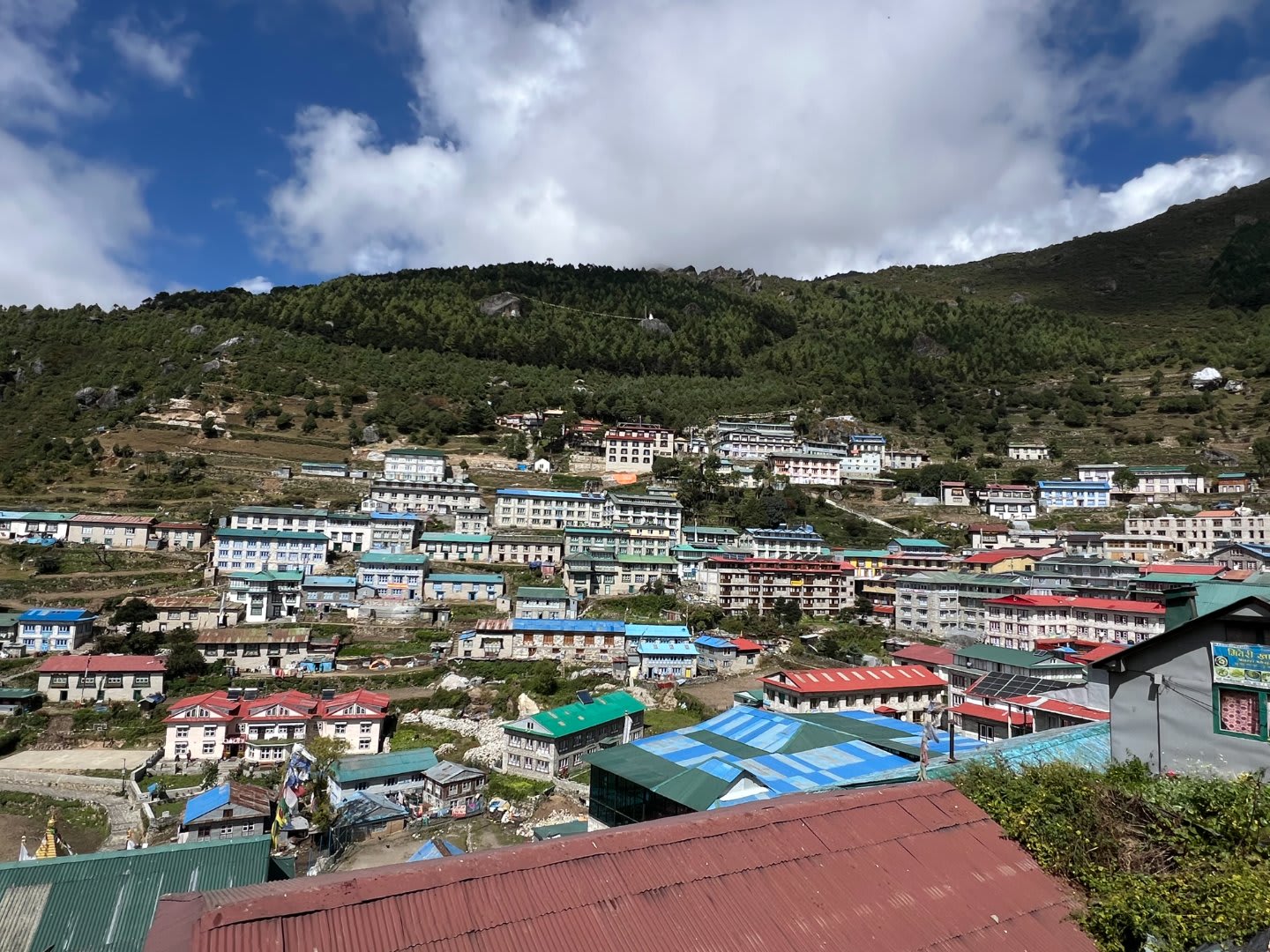
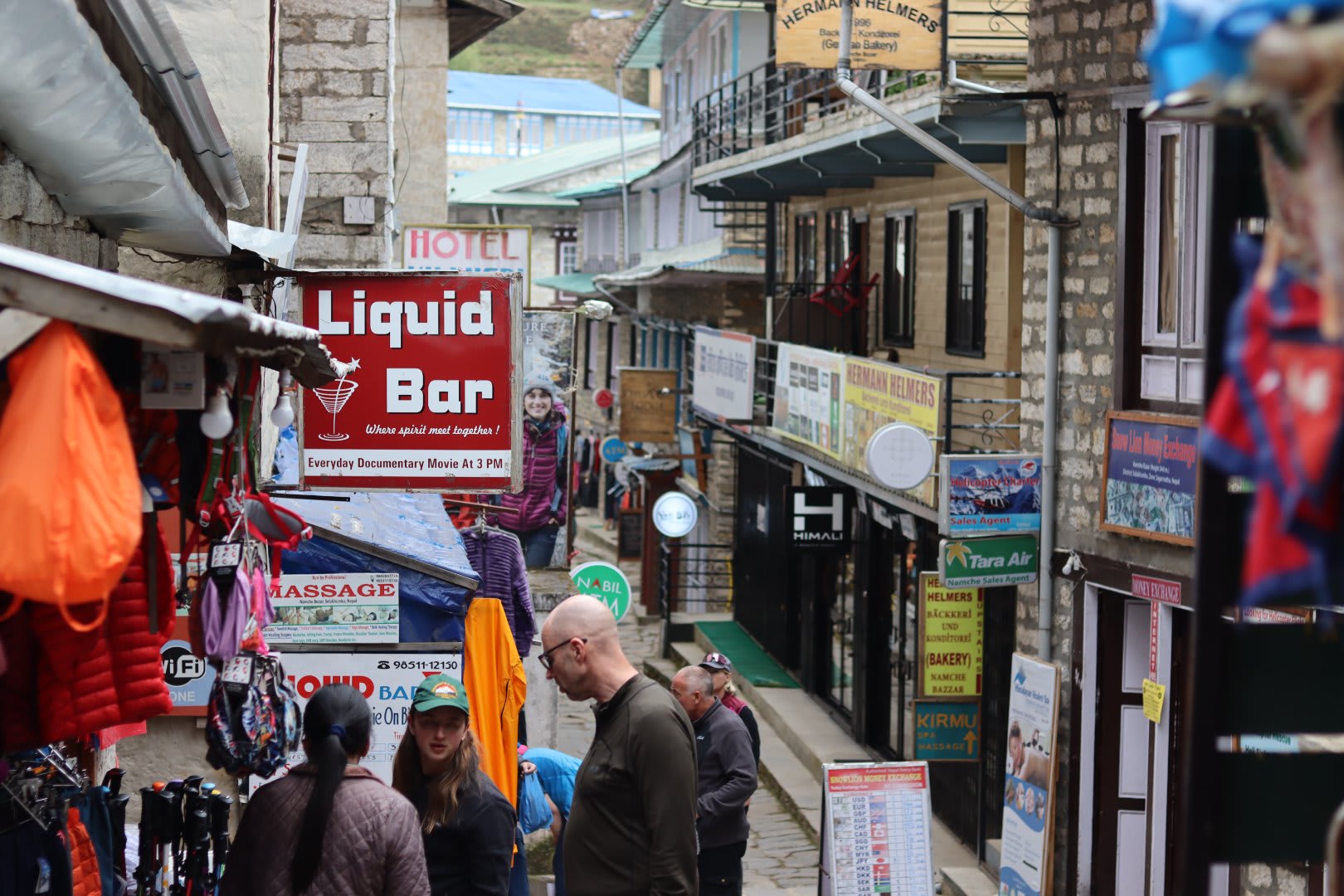
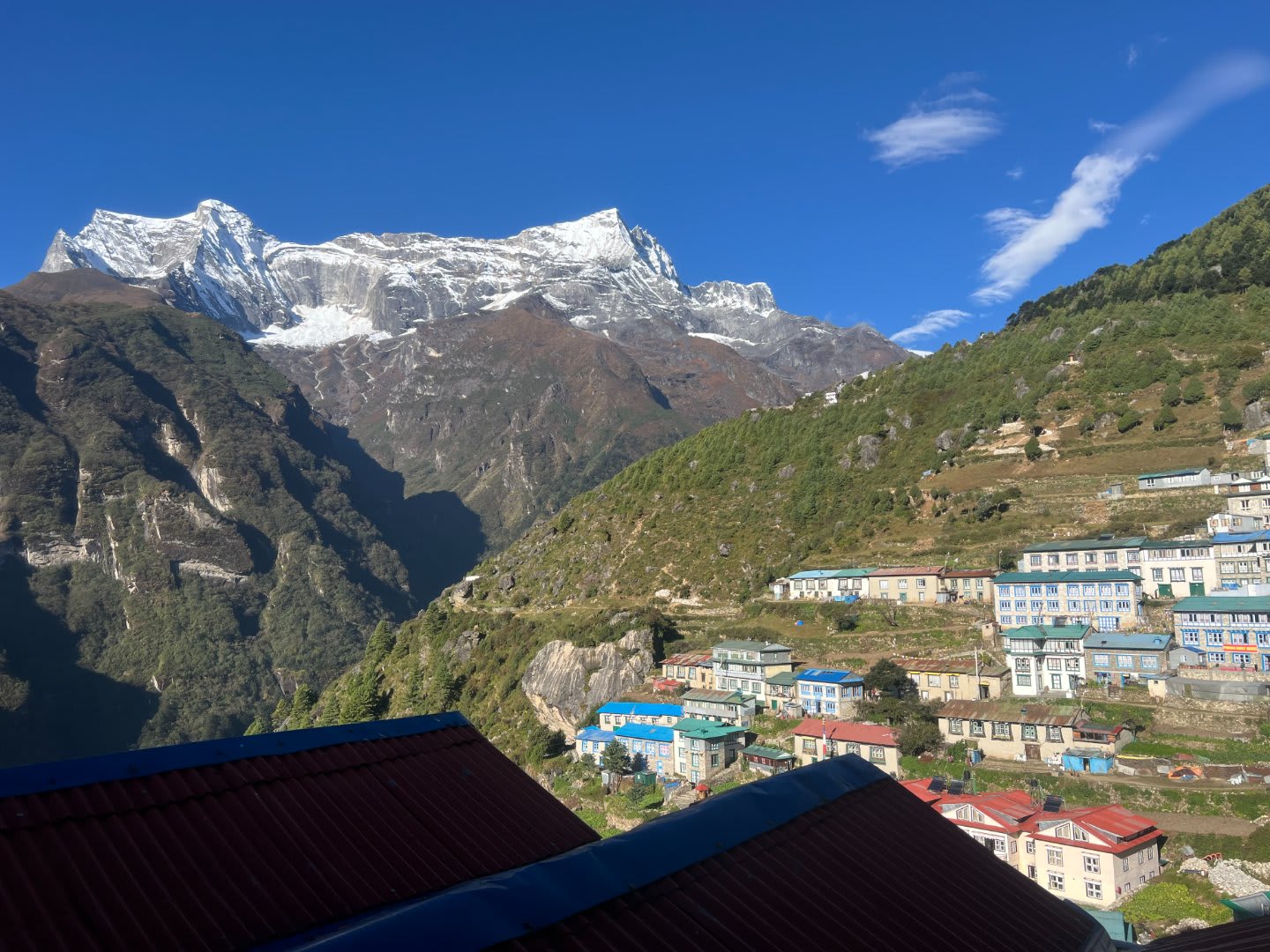
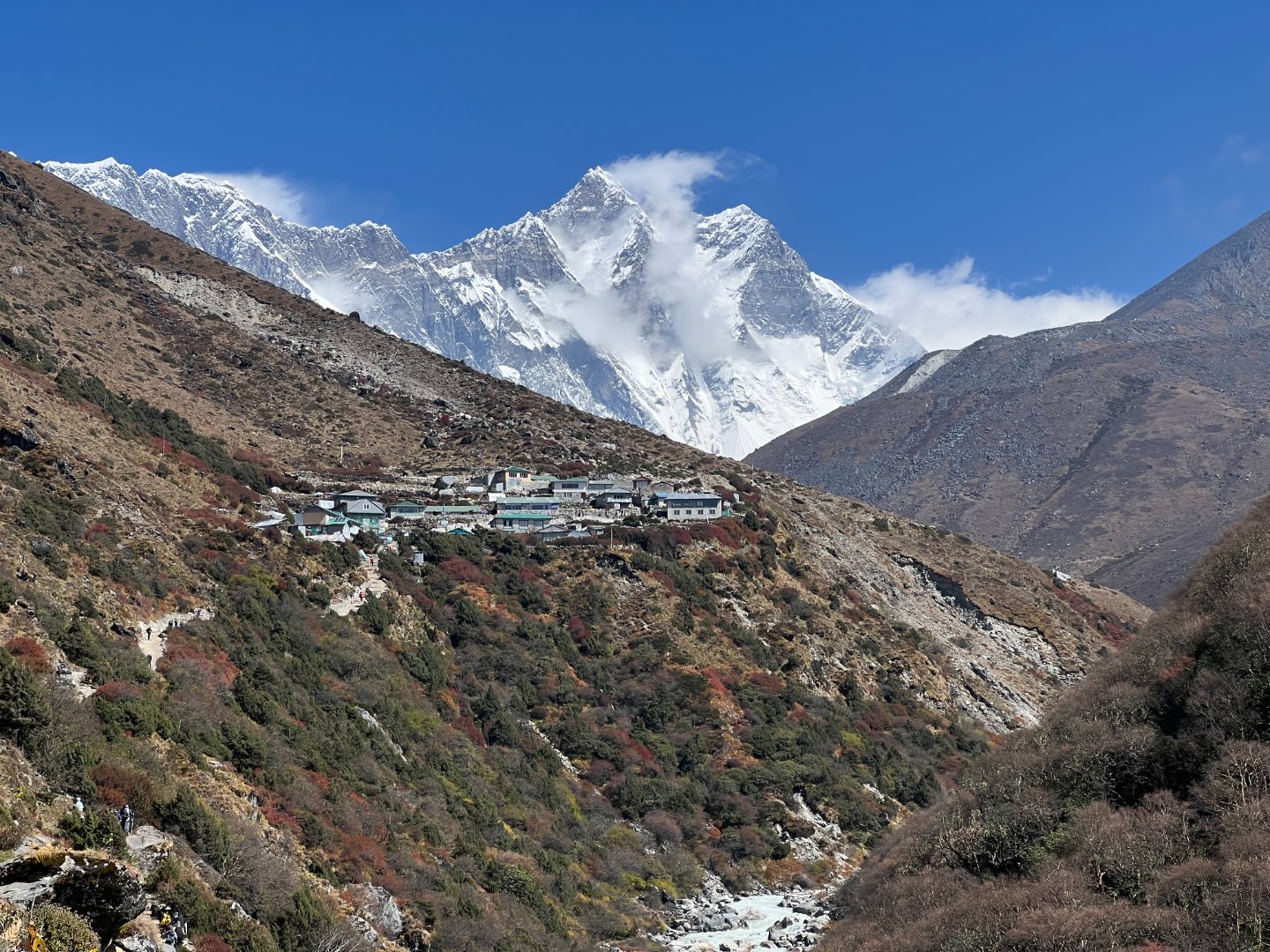
Namche is perfectly positioned at the entrance of the region and thus, it is often called the gateway to Everest. This lively and attractive mountain town is packed with local culture, bakery and trekking shops, museums, and cafes. Here, a day for acclimatization is of extreme importance so that the body can get used to the rarified air. Small hikes to Everest View Hotel or to nearby ridges are excellent ways of getting the best views of Mt. Everest, Lhotse, Nuptse, and Ama Dablam.
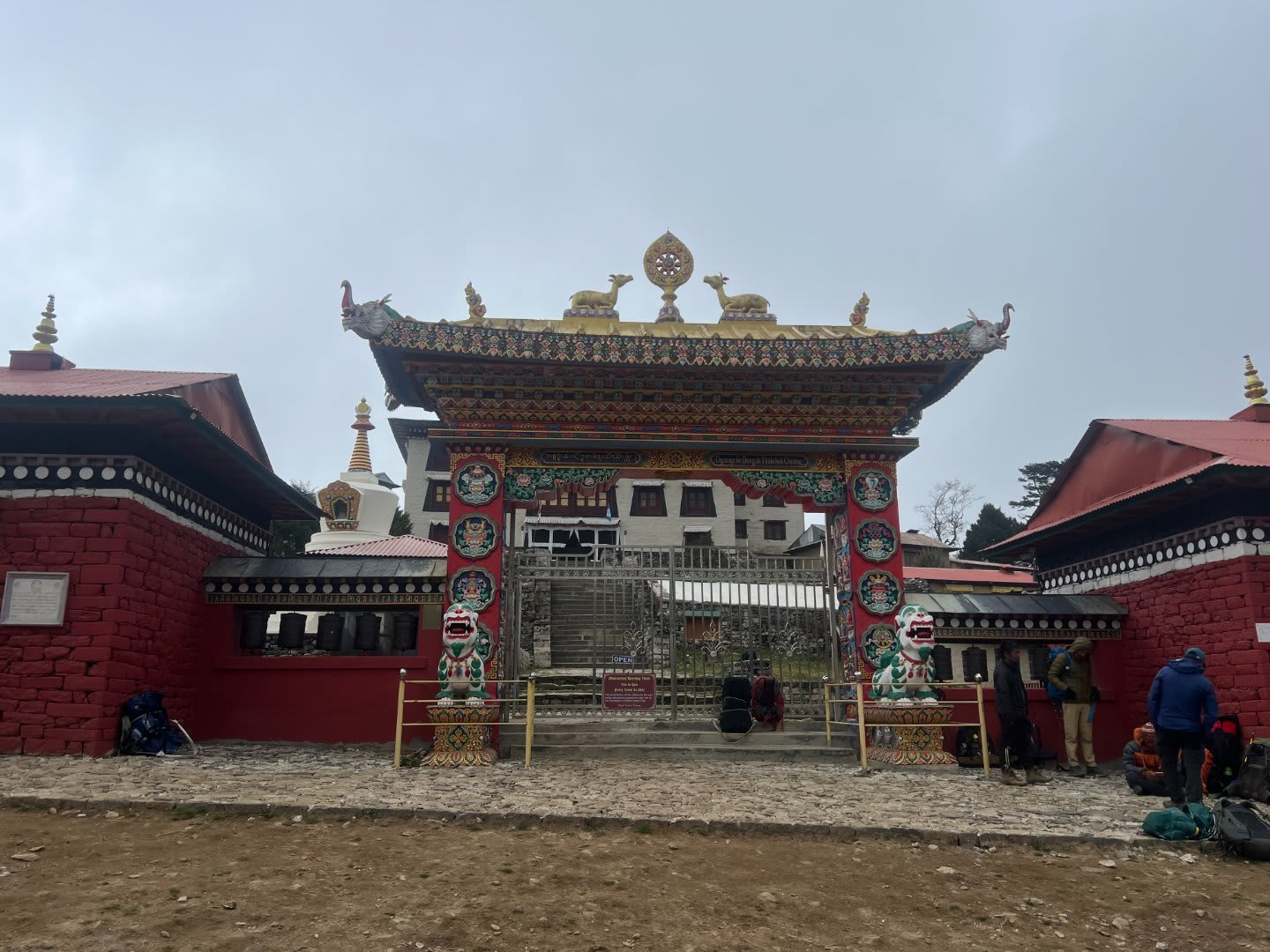
After you have left Namche, the trail first follows the contour line of a hill that is quite far and above the valley from which it later descends to the river. After that, it goes up along the river to the Tengboche Monastery (3,860m). This religious monastery isn't just a place for worship which is only a part of its function, but it is also a great spiritual and cultural center of the Khumbu region.
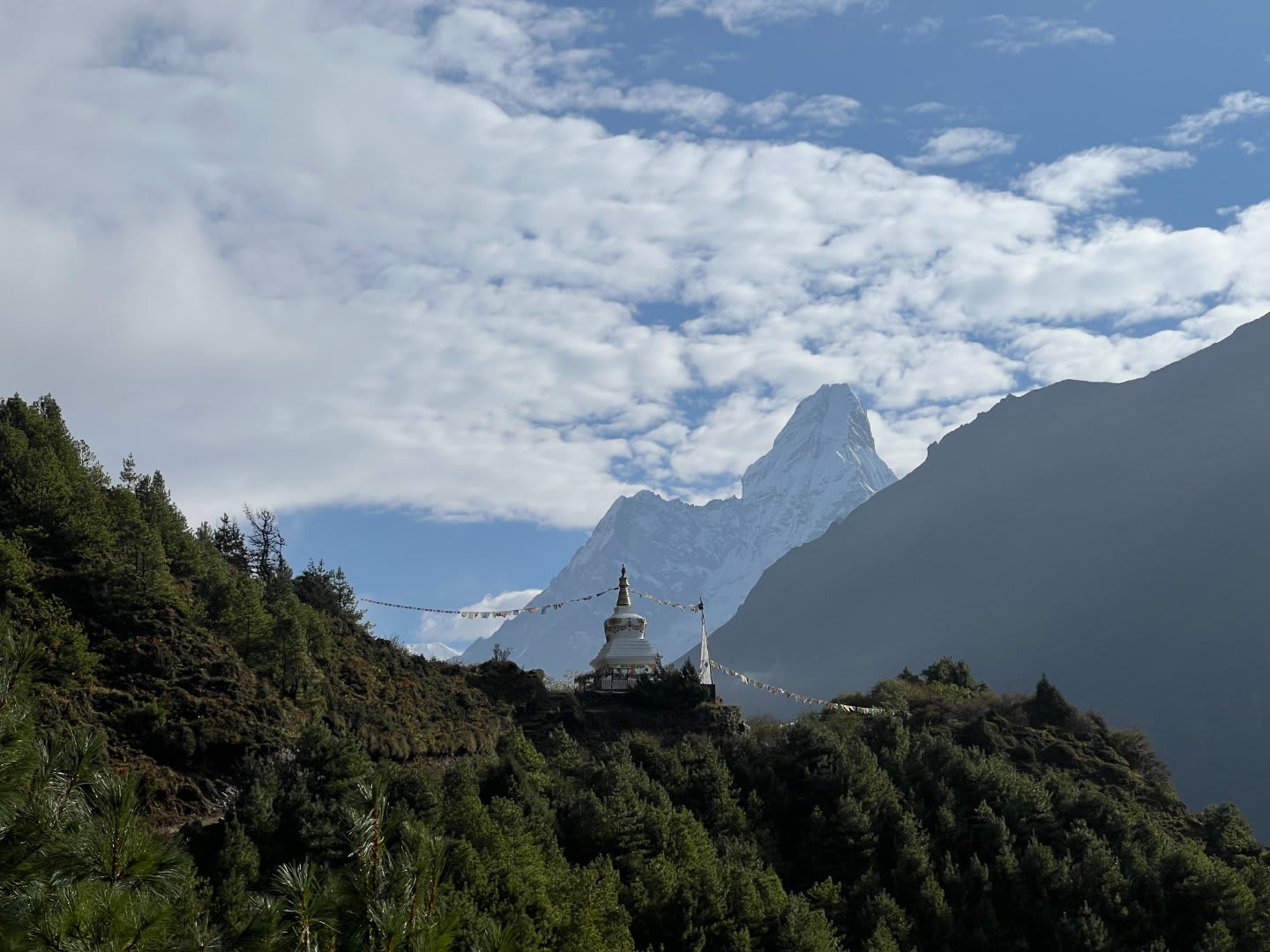
Many trekkers choose to be there at the time of the evening prayer sessions not only to benefit from the magical atmosphere but also to have a glimpse of Ama Dablam at the same time. Once you leave Tengboche, the features of the environment and the landscape keep changing gradually. At last, the tree line vanishes and instead, there are some bushes in a couple of places as well as big valleys just like before. Going into Pangboche and further on to Dingboche (4,410m), you will notice that the air is thinner and the temperature lower. If you want to perform better at the next stage which will be more altitude-demanding, it is good to acclimatize by staying for a day or even for a half day.
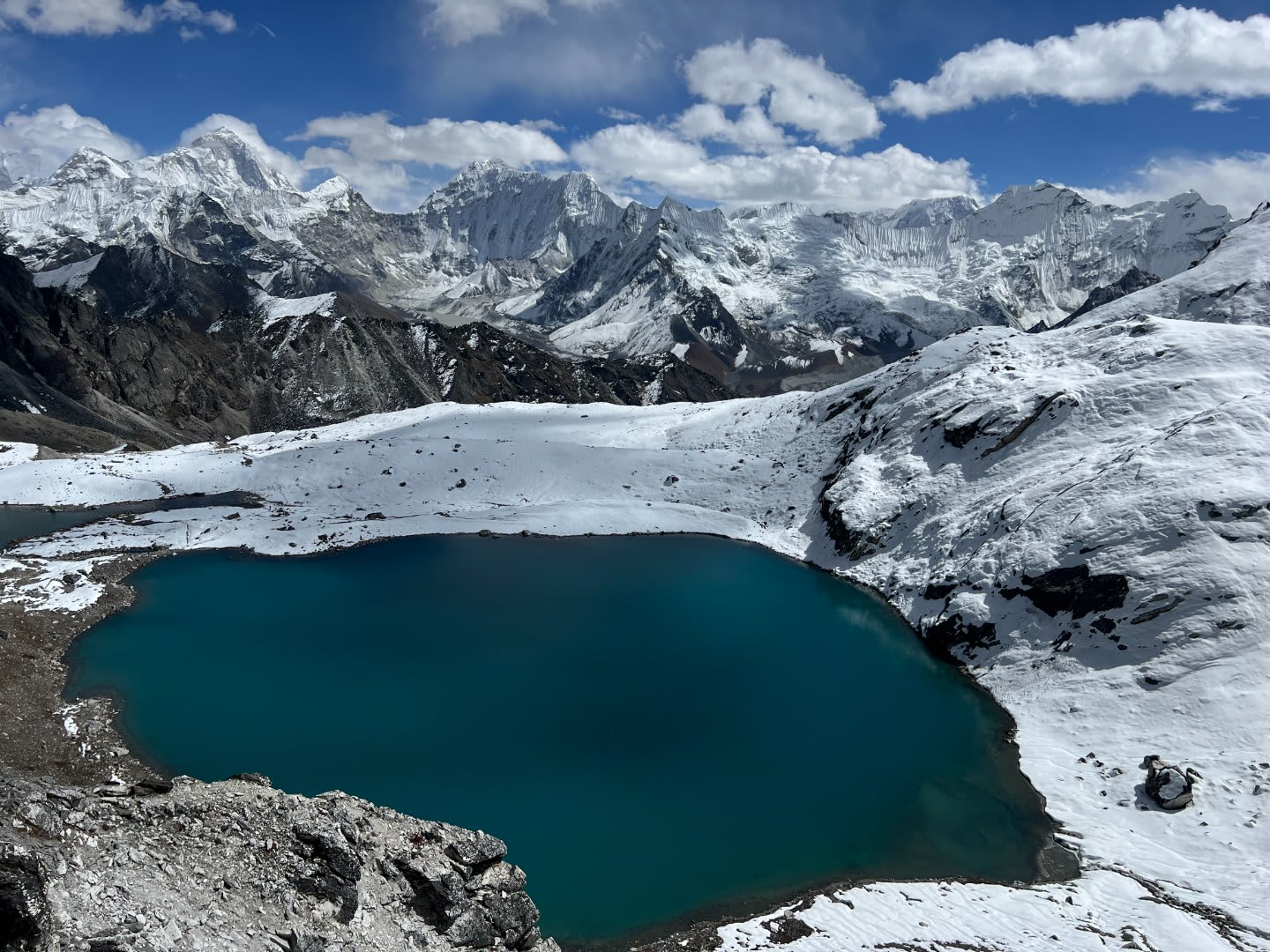
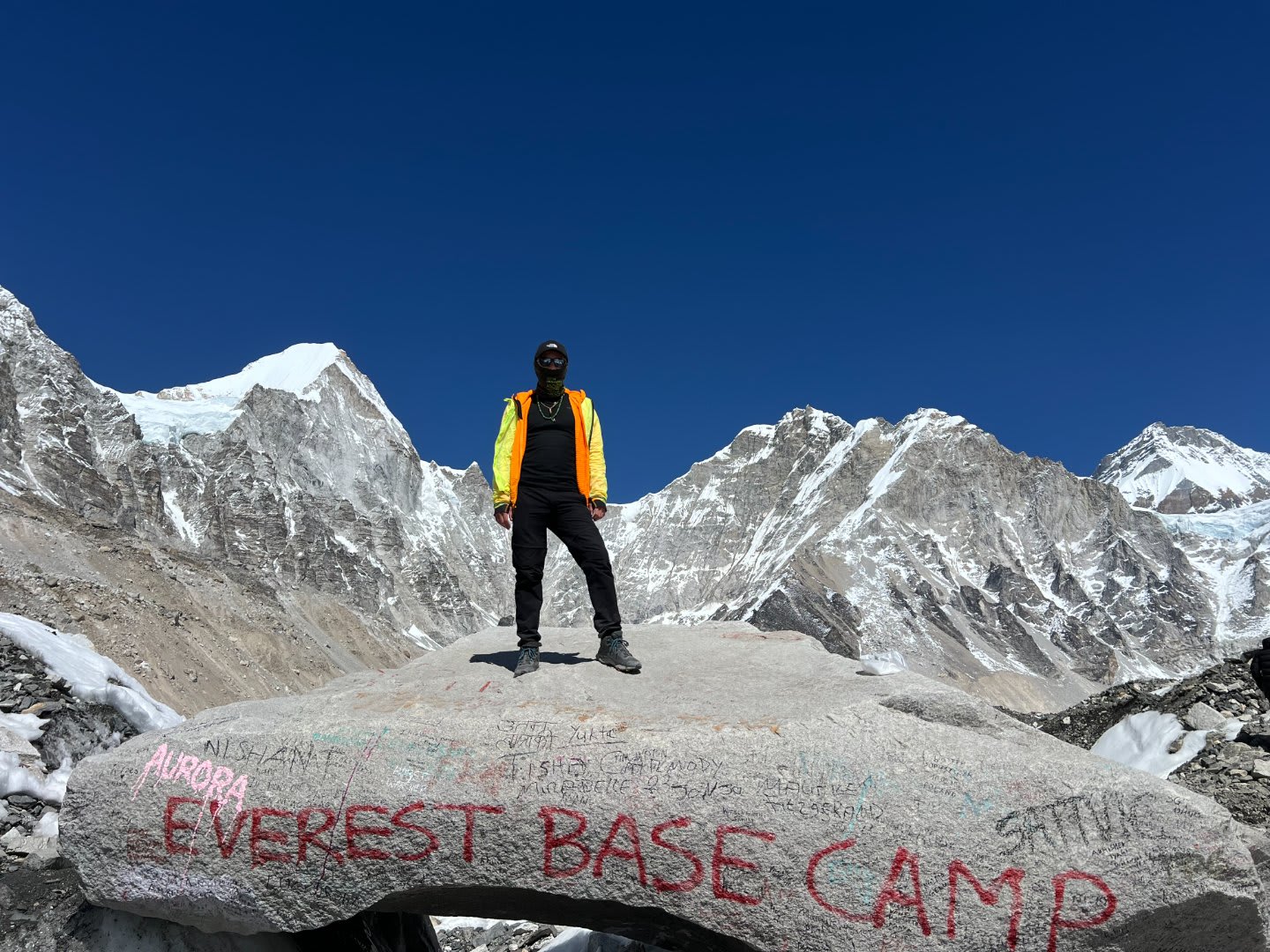
On your way to Lobuche (4,940m), the ground is rougher and there is more snow on it because of the proximity to the glacier and there are also monuments to climbers who lost their lives on the route to Everest. The last stretch to the Everest Base Camp (5,364m) is not just a physical challenge but also an emotional one with lots of different feelings mixed inside a person. The trail to the base camp goes along the Khumbu Glacier until it is that one moment you see the most famous spot just below the huge icefall of Everest. At the time when the mountaineering activities are at their peak, the dotted and brightly colored tents of the expeditions along the glacier form a very beautiful picture of the high-altitude dwelling. Probably pride, reflection, and achievement are the three major sentiments that one experiences at the sight of the highest summit on Earth.
The following morning, well before the sun casts its rays on the ground, you are already out for a walk to Kala Patthar (5,545m), the highest point of the trek. From here, your eyes will be the very first to witness sunrays gently lighting up Everest and at the same time, the other neighboring Himalayan giants - the Everest view from the top of the world is the highlight of the whole trip!
After you have completed your achievements, you begin your descent. In some mysterious way, the walk through the villages on your way to Lukla just isn’t the same anymore because, firstly, you have just received a new lease of life, secondly, you have gone through an inner transformation, and thirdly, you are ready to celebrate. After coming back to Lukla, you take a short flight that takes you to Kathmandu thus concluding one of the most legendary trekking adventures of the Earth.
The 12-day EBC trek is far more than merely a being in a place kind of story. It sways the story of determination to succeed, being engaged with the local culture, enjoying the mountain landscapes, and personal transformation all in the heart of the Himalayas.
Detailed Itinerary
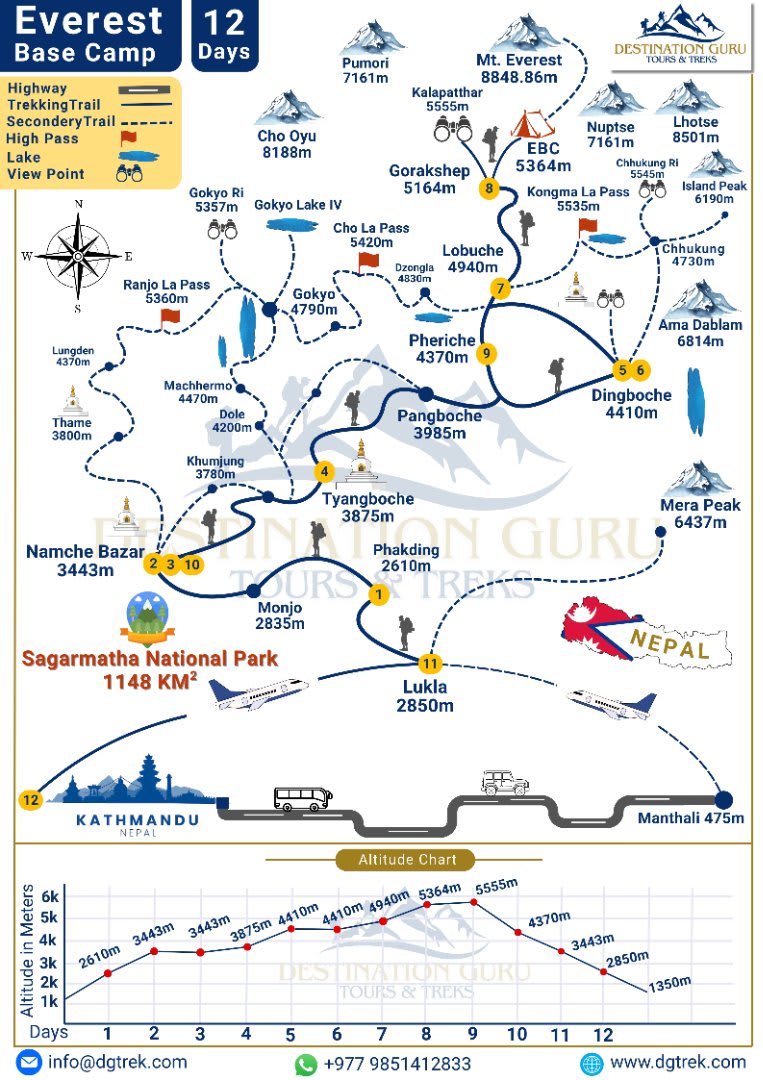
Fly from Kathmandu/Manthali to Lukla (2,850m/9,350 ft) & trek to Phakding ( 2650 m/8562 ft )
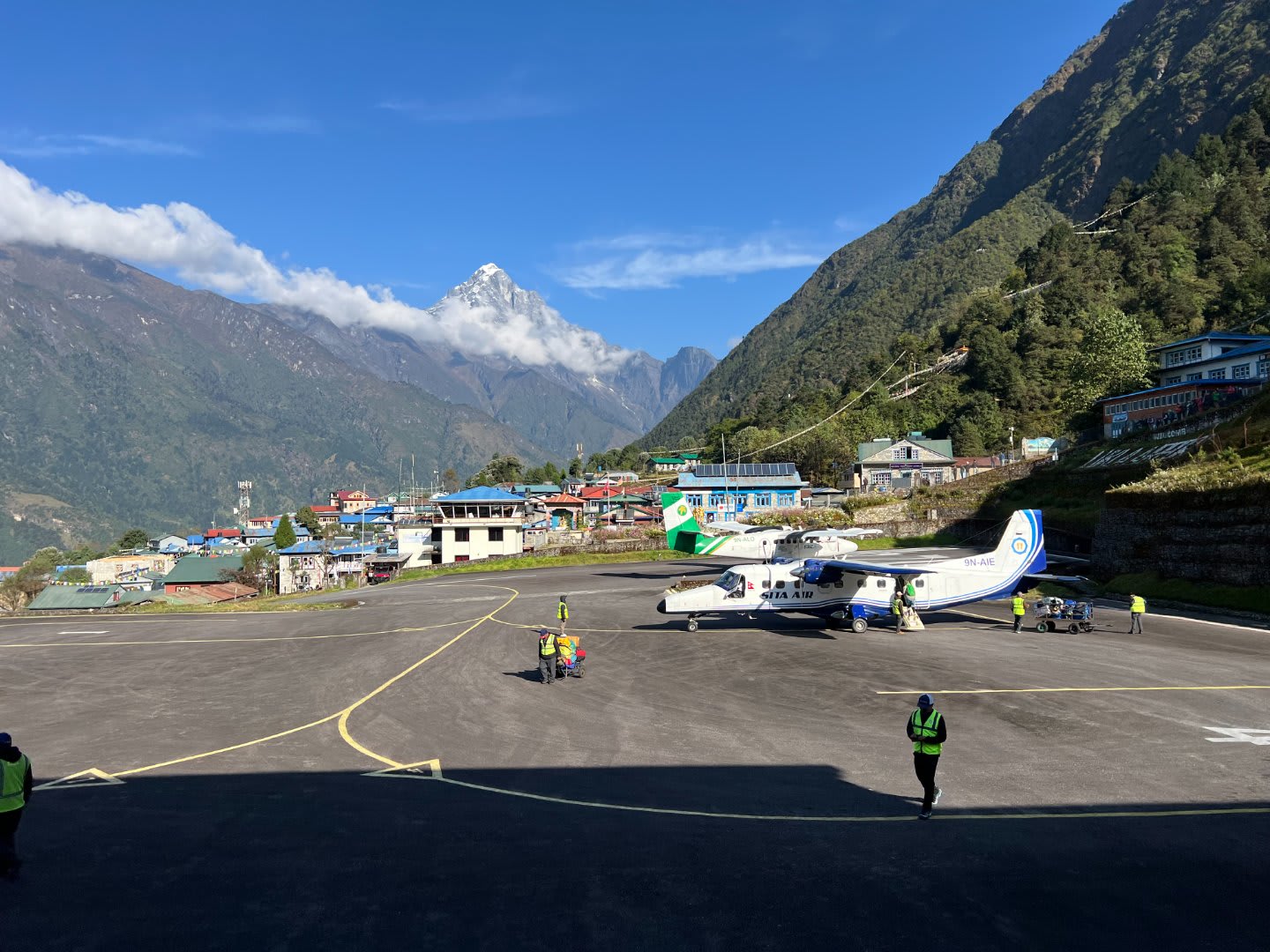
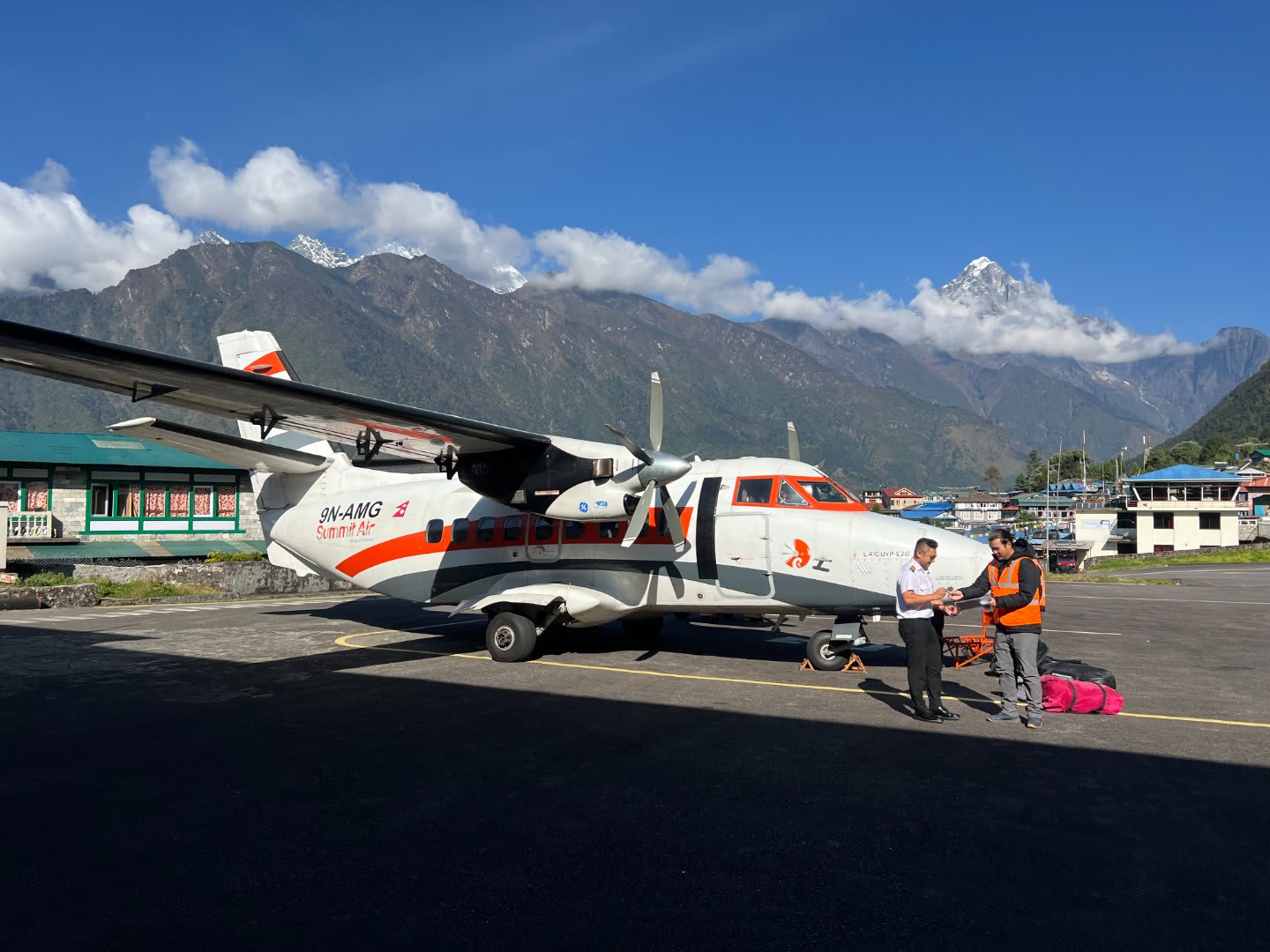
Your trip start may vary depending on the trekking seasons. If you are trekking in March, April, May, September, October, and November, the flights from Kathmandu to Lukla may get diverted to Manthali Airport. If you are catching an early morning flight from Lukla to Kathmandu from Manthali Airport, we shall pick you up from the hotel at 12:30 am and drive for 5 hours to Manthali Airport. The flying time from Manthali Airport to Lukla is only 20 minutes. If you are trekking in December, January, February, June, July, and August, you shall fly directly from Kathmandu to Lukla. You may also book a helicopter from Kathmandu to Lukla and avoid the long drive from Kathmandu to Manthali. The helicopter booking fee is around 550 USD, which is shared by five people. Your trek starts from Lukla Airport. We shall collect from Lukla and trek towards Phakding. On the way, you shall pass through Chaurikharka Village. This is also an act of acclimatization. As the trek is quite short, we shall visit the monasteries in the Phakding area.
Trek from Phakding to Namche Bazaar (3,440m/11,285 ft)
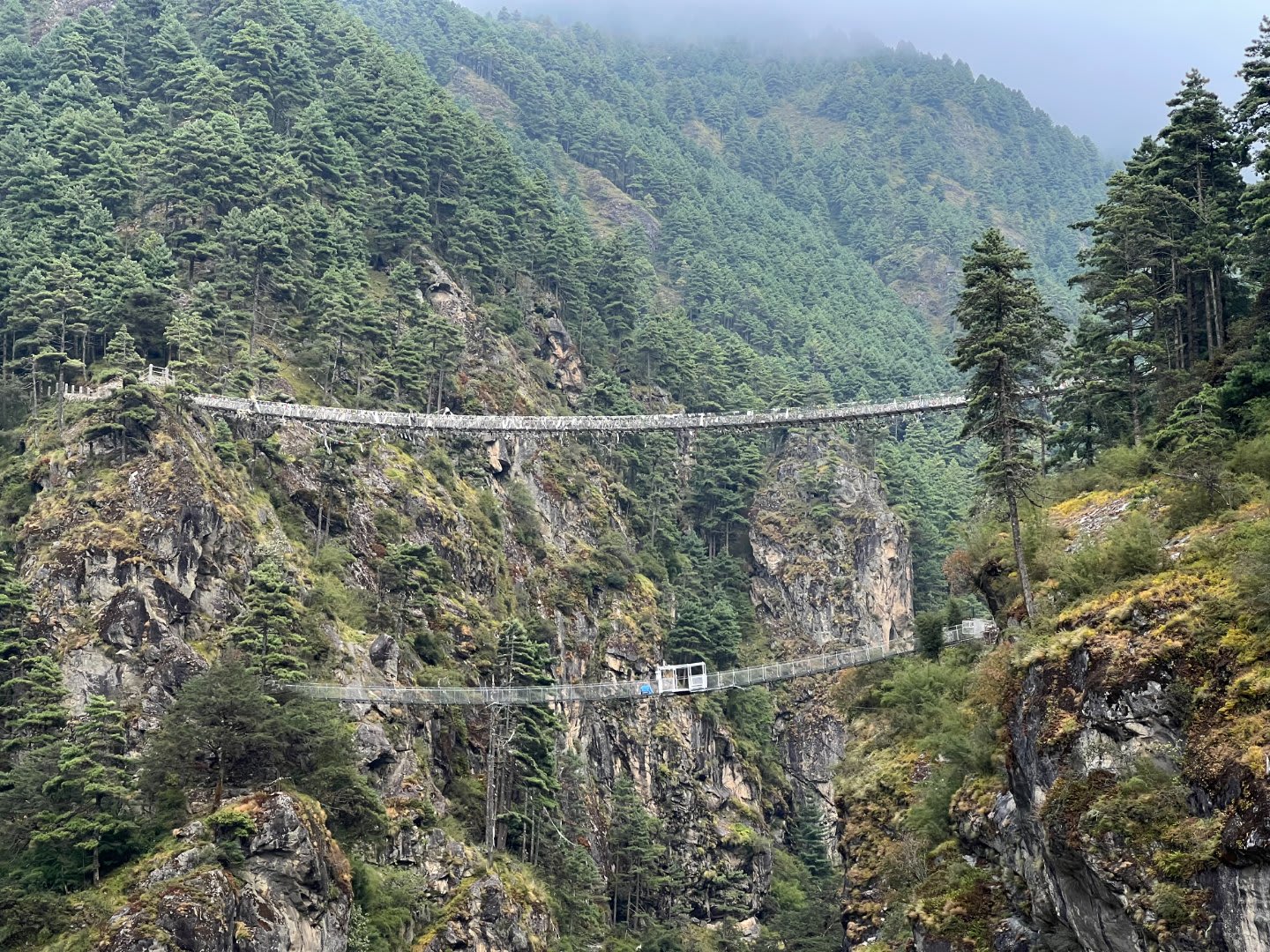
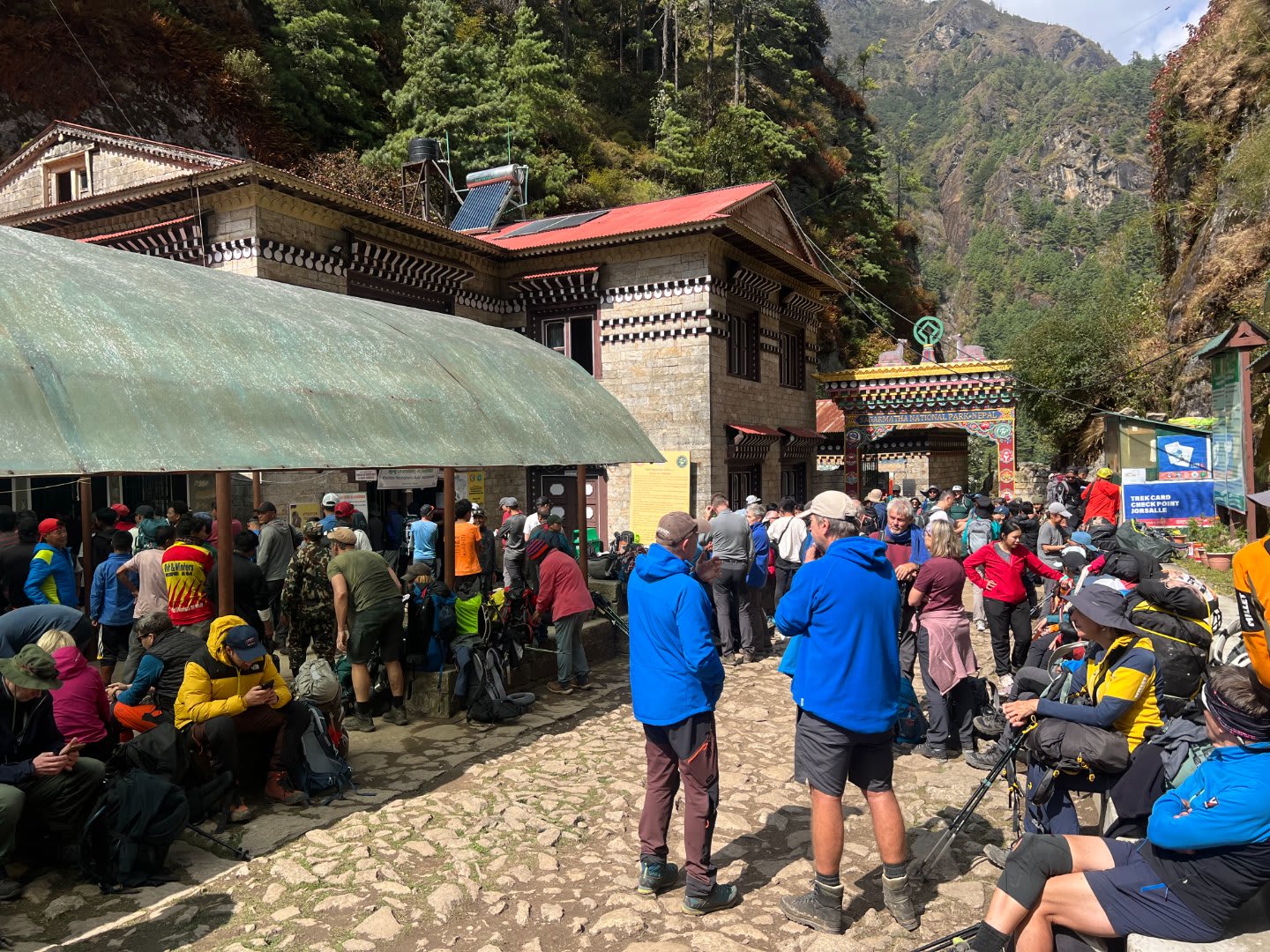
We will continue to trek along the northern bank of the Dudh Koshi River. The view from our route is magnificent. As we cross numerous suspension bridges over the Dudh Koshi River, including the Hillary Suspension Bridge, we experience the feeling of wilderness and closeness to nature. The route will take us to the Sagarmatha National Park, where we will register our permits and then move towards the dense forest to catch the first glimpse of Mt. Everest. But the destination for the day will be Namche Bazaar, also called the Gateway to Everest.
Exploration & acclimatization day at Namche Bazaar.
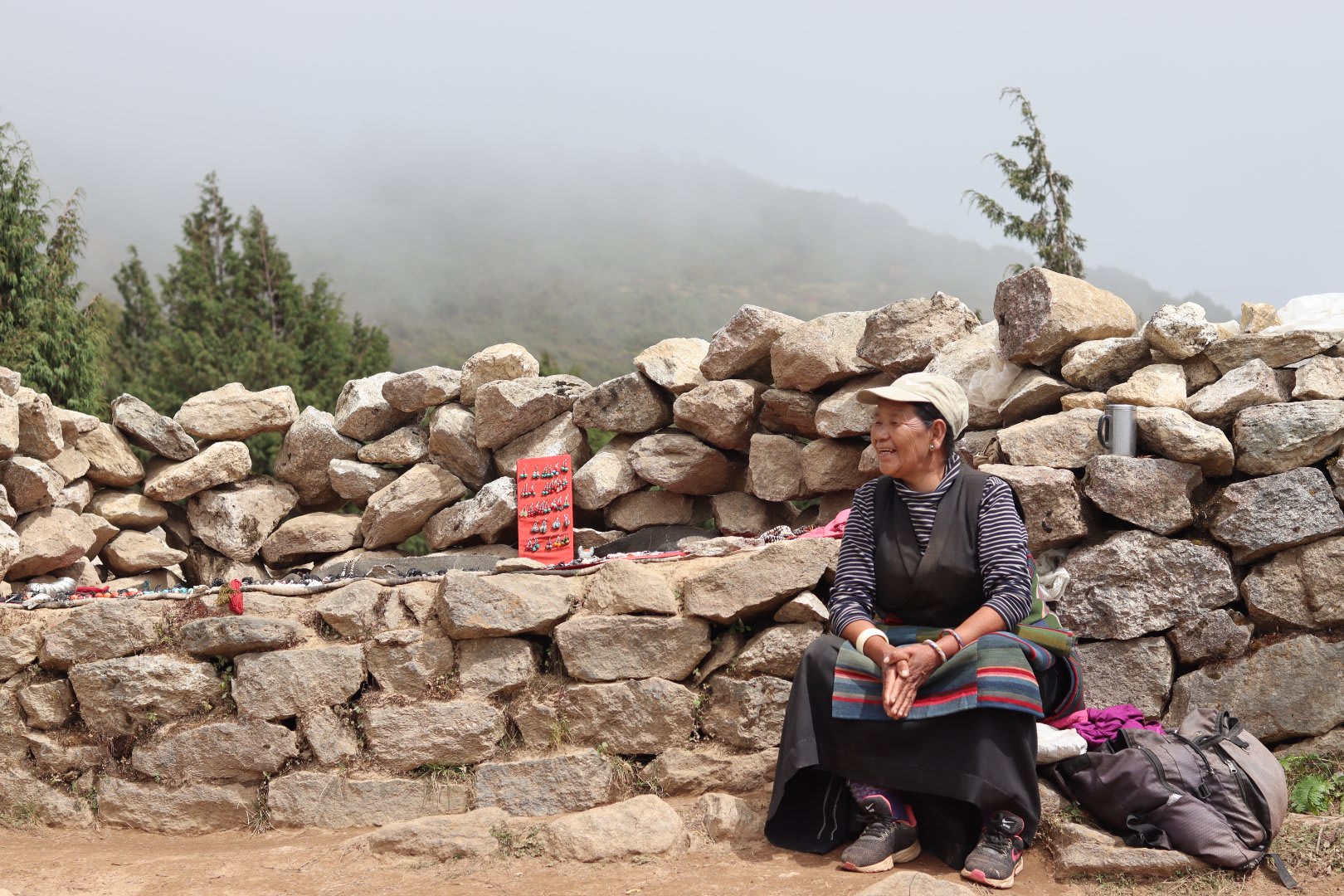
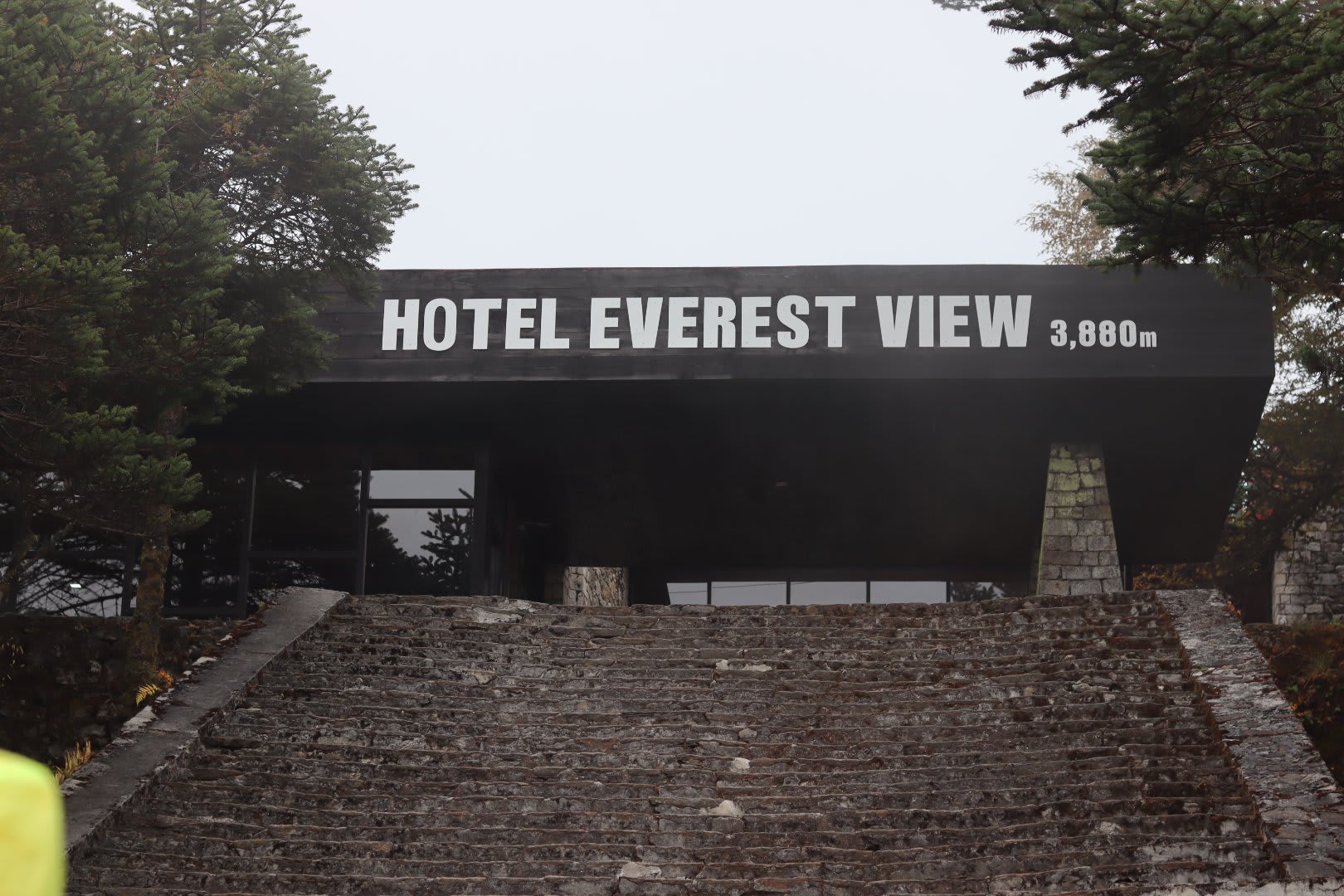
So as not to shock our bodies and to be able to respond naturally to the demands of the altitude, we spend a day in Namche Bazaar for acclimatization. We obey the saying "climb high, sleep low" so as to gradually ascend to higher elevations and then descend to Namche for the night. After a simple breakfast, we head to Syangboche Airport from where we proceed on foot to the famous Hotel Everest View (3,880m) which besides offering a breathtaking view of Mount Everest, Lhotse, Ama Dablam, Nuptse, and Thamserku also provides a comfortable stay. In fact, this place is perfect to soak in the natural beauty of the Himalayas. At the same time, if you want to catch a glimpse of the Sherpa culture and lifestyle, take a trip to Khumjung village where we can visit the Khumjung Monastery and the old Hillary School. Later part of the day, we come back to Namche where we can spend the day relaxing, drinking lots of water, strolling around the shops and cafés, and getting ready for the next day at a higher altitude.
Trek from Namche Bazaar to Tengboche (3,855m/12,850ft)
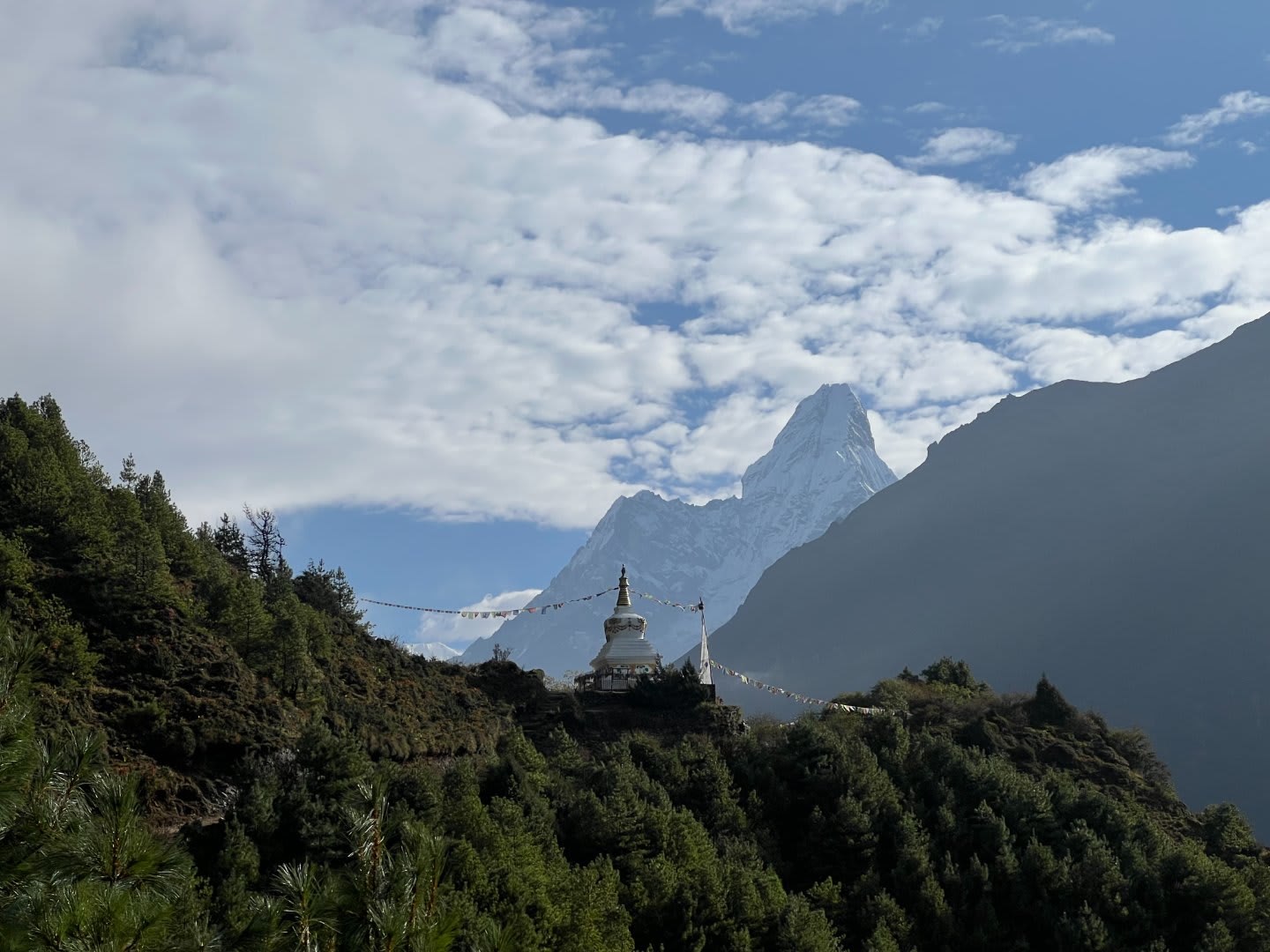
Today we plan to leave Namche Bazaar and set off on our gorgeous trek to Tengboche (3,860 m). The path offers some of the most spectacular mountain scenery in the Everest area. In addition to Mount Everest, the lineup has Nuptse, Lhotse and the lovely Ama Dablam. The trail is a nice mix of getting out of breath and more challenging climbs and descents, and it goes along the hillsides outside the town and the Dudh Koshi River valleys. Although the trail was quite a bit up and down, the splendid view of the mountains made the hike very pleasant and worth the effort. During the trekking, you will be able to spot some Himalayan wildlife as musk deer, pheasants, and Himalayan thar that are grazing on the rocky slopes. After a short downhill walk to the small and charming village of Phunki Thenga which is located right beside the river, we continued our gentle climb through the pine and rhododendron forests to Tengboche. Now, we visit the famous Tengboche Monastery which is not only the largest but also the most important monastery in the Khumbu region. It is a remote place in the high mountains that, besides giving a lovely feeling of spirituality, the uplifting spirit is a great experience. Stay overnight at a lodge in Tengboche.
Trek from Tengboche to Dingboche (4,410m/14,470ft)
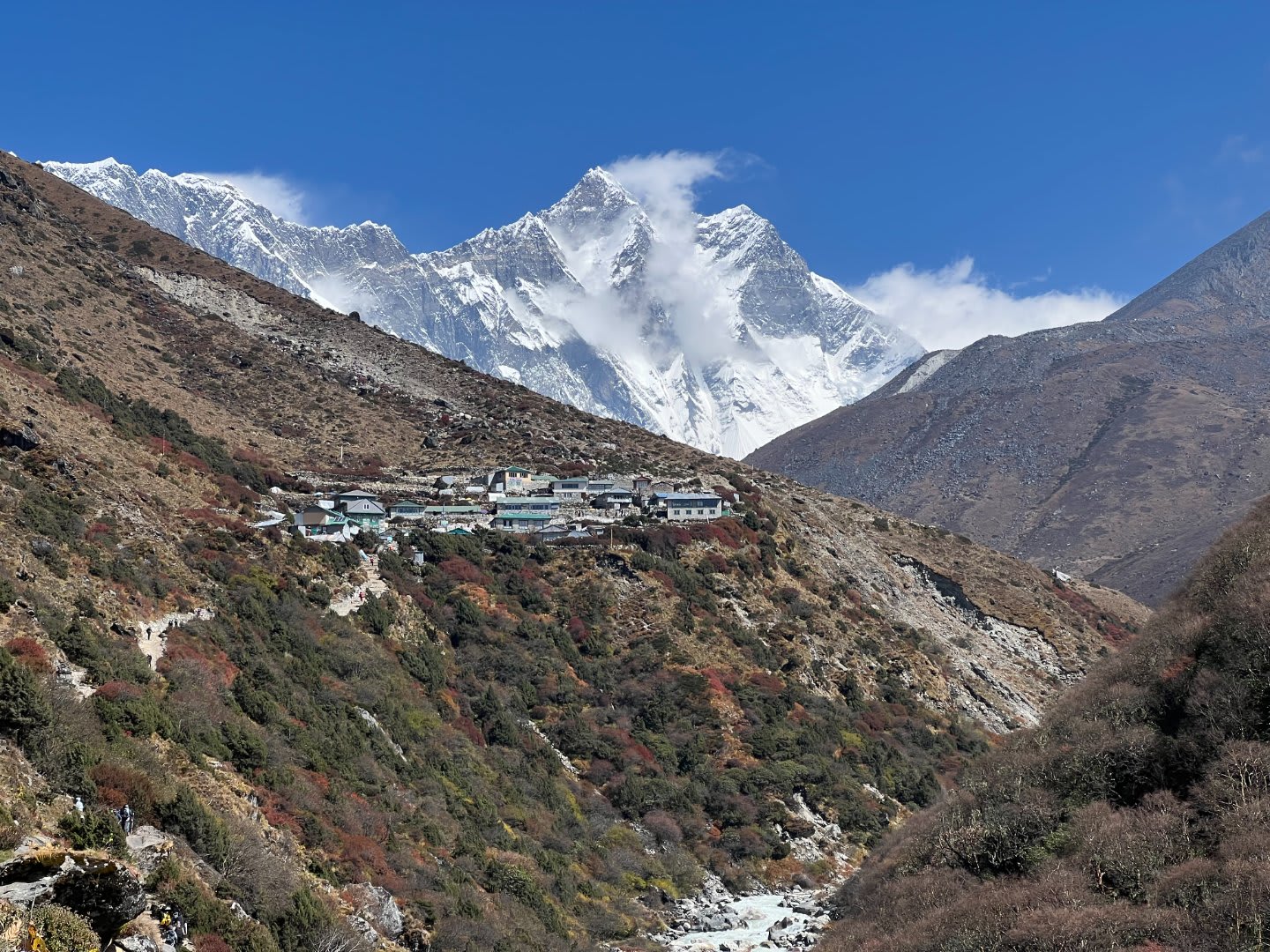
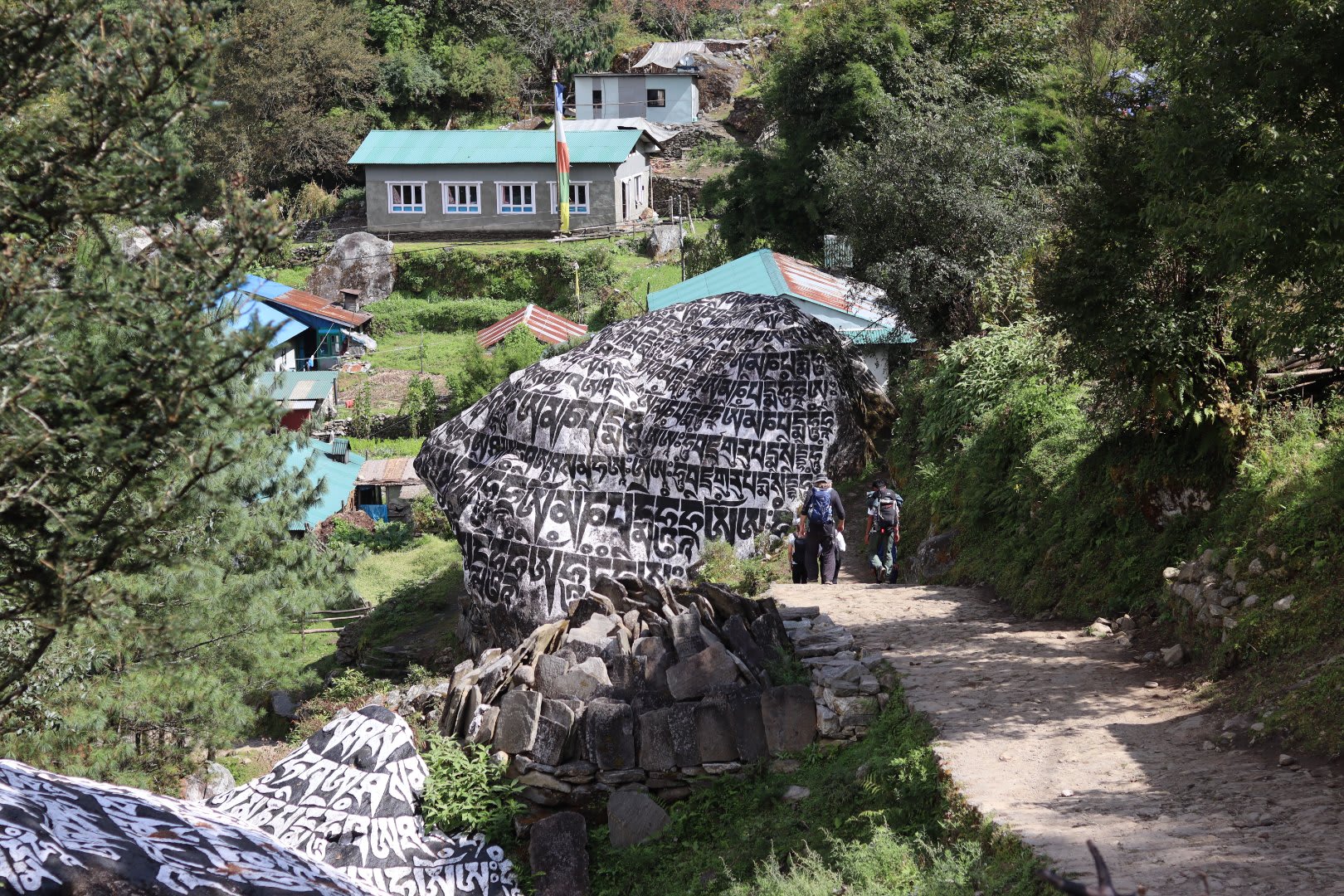
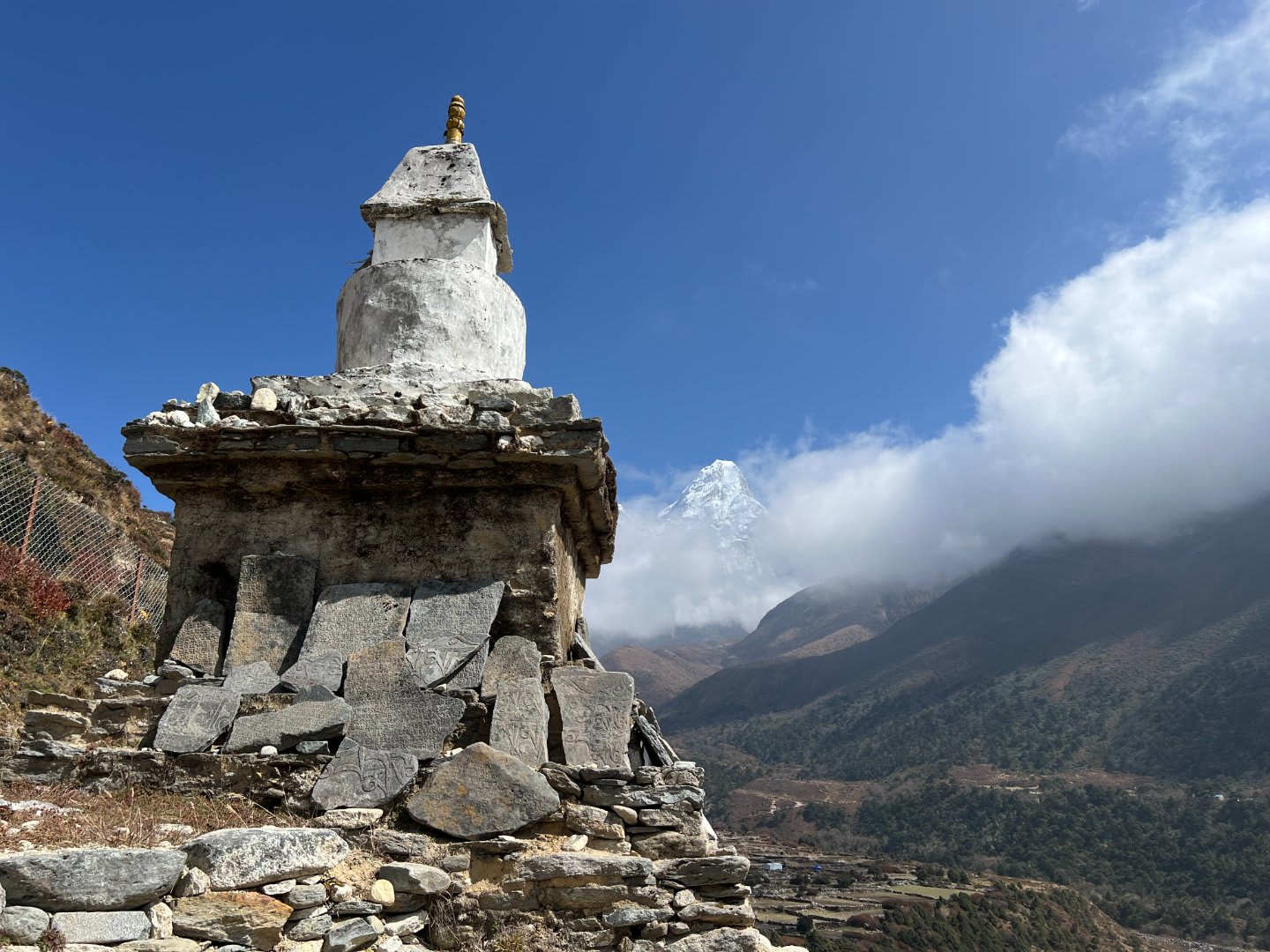
Today, we leave Tengboche and continue our trek towards Dingboche (4,410m). The trekking route is full of cultural attractions like traditional chortens, mani walls inscribed with Buddhist mantras, and picturesque Himalayan villages. One of the most notable attractions during the trek today is the majestic and awe-inspiring sight of the mighty peak of Ama Dablam. Our trek starts with a gradual descent through the forest route and then follows the Lobuche River to the broad and picturesque Imja Valley. Then, the trek starts with a steady climb to the destination of the day – Dingboche. Upon arriving at Dingboche, you can see the unique stone walls around the fields to prevent the strong winds and extreme weather conditions from damaging the crops like barley and potatoes. The picturesque and serene location of the valley and the majestic Himalayan ranges make the place a breathtakingly beautiful location during the trek to Everest Base Camp.

Acclimatization day at Dingboche
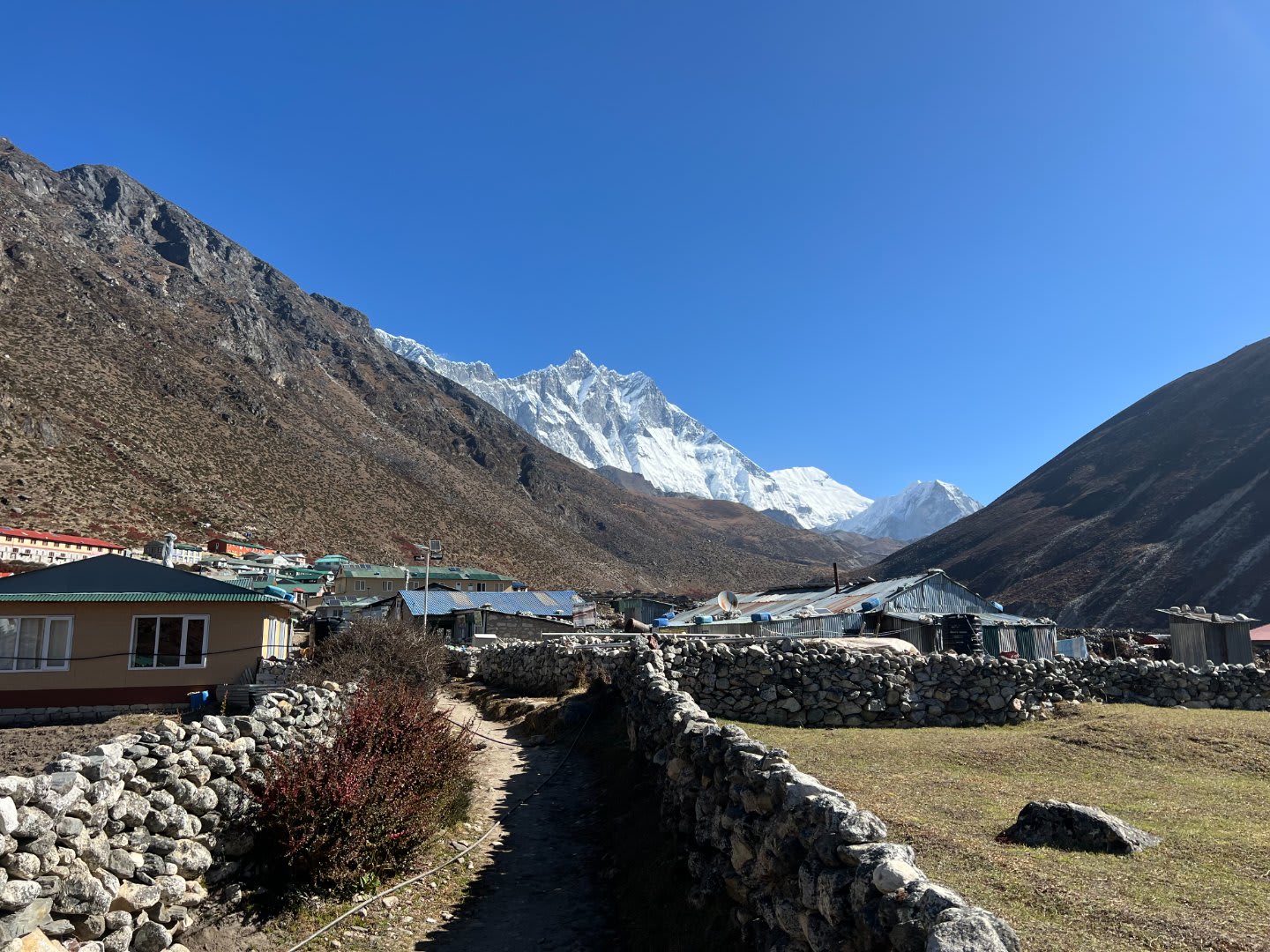
Once we arrive at Dingboche and have climbed to such great heights, we spend this day acclimatizing properly. To acclimatize our bodies to the lower oxygen levels, we follow the principle of “climb high, sleep low.” Hence, we go on a worthwhile climb from the village. We climb up on the ridge from where we get magnificent views of the surroundings. From this vantage point, we can enjoy the views of Lhotse, the magnificent rear side of Ama Dablam, Island Peak, Cho Oyu, and Makalu towering dramatically above the surrounding landscape. Looking northward, more Himalayan giants rise up from the Khumbu Khola Valley, providing us with another breathtaking high-altitude panorama. Once we have enjoyed the views and allowed our bodies to acclimatize, we return to Dingboche to rest. Dingboche is a charming and picturesque village, with stone-walled fields and the wide-open valley, which seems to be from another era, almost untouched by the outside world.
Trek from Dingboche to Lobuche (4,930m/16,175 ft)
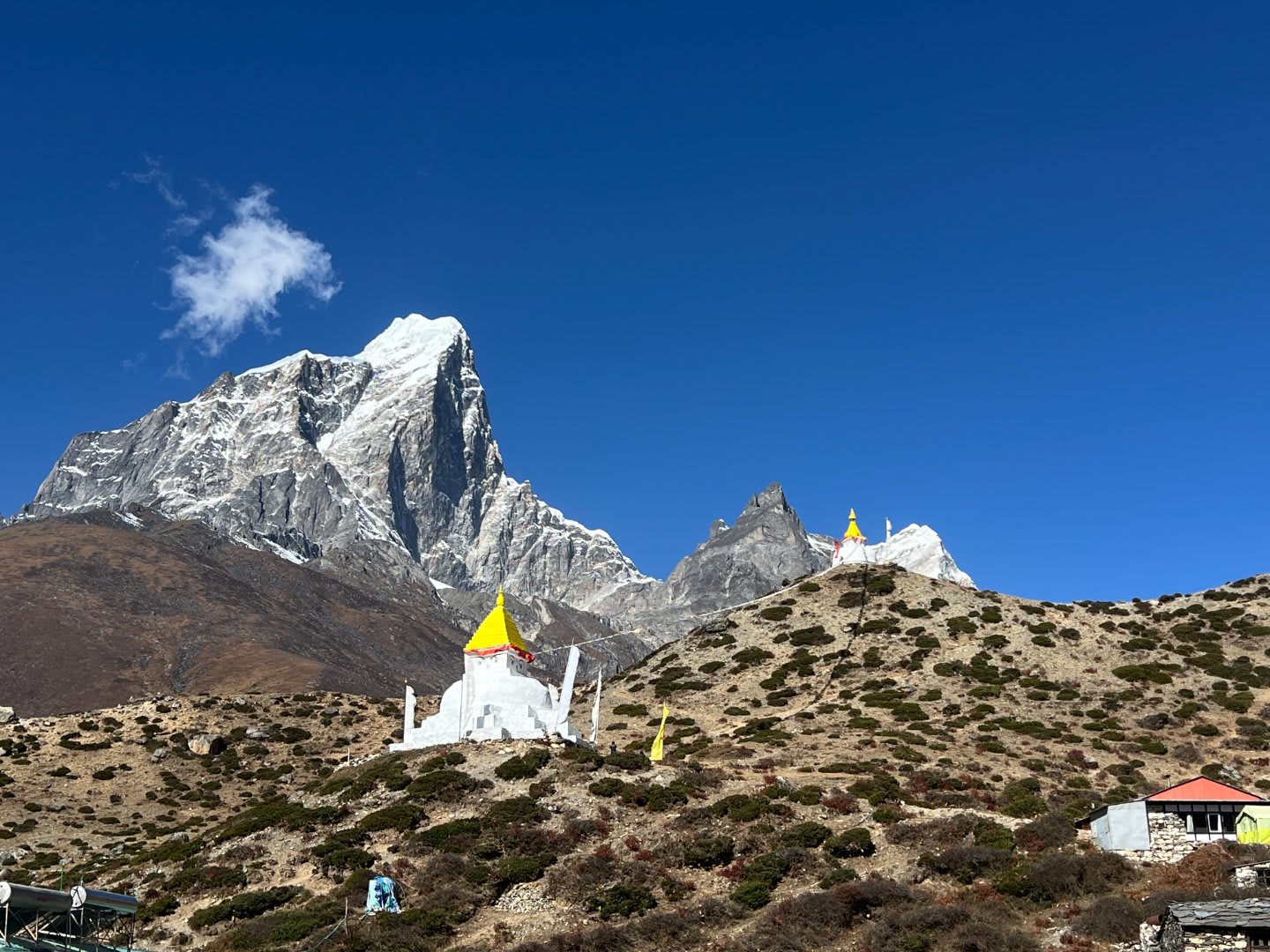
Today, we start with a gradual but steady uphill walk to the higher elevations from Dingboche. As we walk through the alpine country and the scenery, the views get progressively more spectacular. The route goes across the lateral moraine of the Khumbu Glacier and through a small settlement of lodges before reaching the start of the steep climb to Thukla Pass (Dughla Pass). At the top, we discover moving memorials to climbers who have lost their lives on Everest and other neighboring peaks. After this, the route goes across rocky terrain with spectacular views of the Himalayan giants and brings us to Lobuche (4,930m). Once we arrive here, we rest and prepare for the exciting day ahead to Everest Base Camp the next day.

Trek from Lobuche to Everest Base Camp and back (5,364m/17,598ft) to Gorak shep (5,185m/17,010 ft)
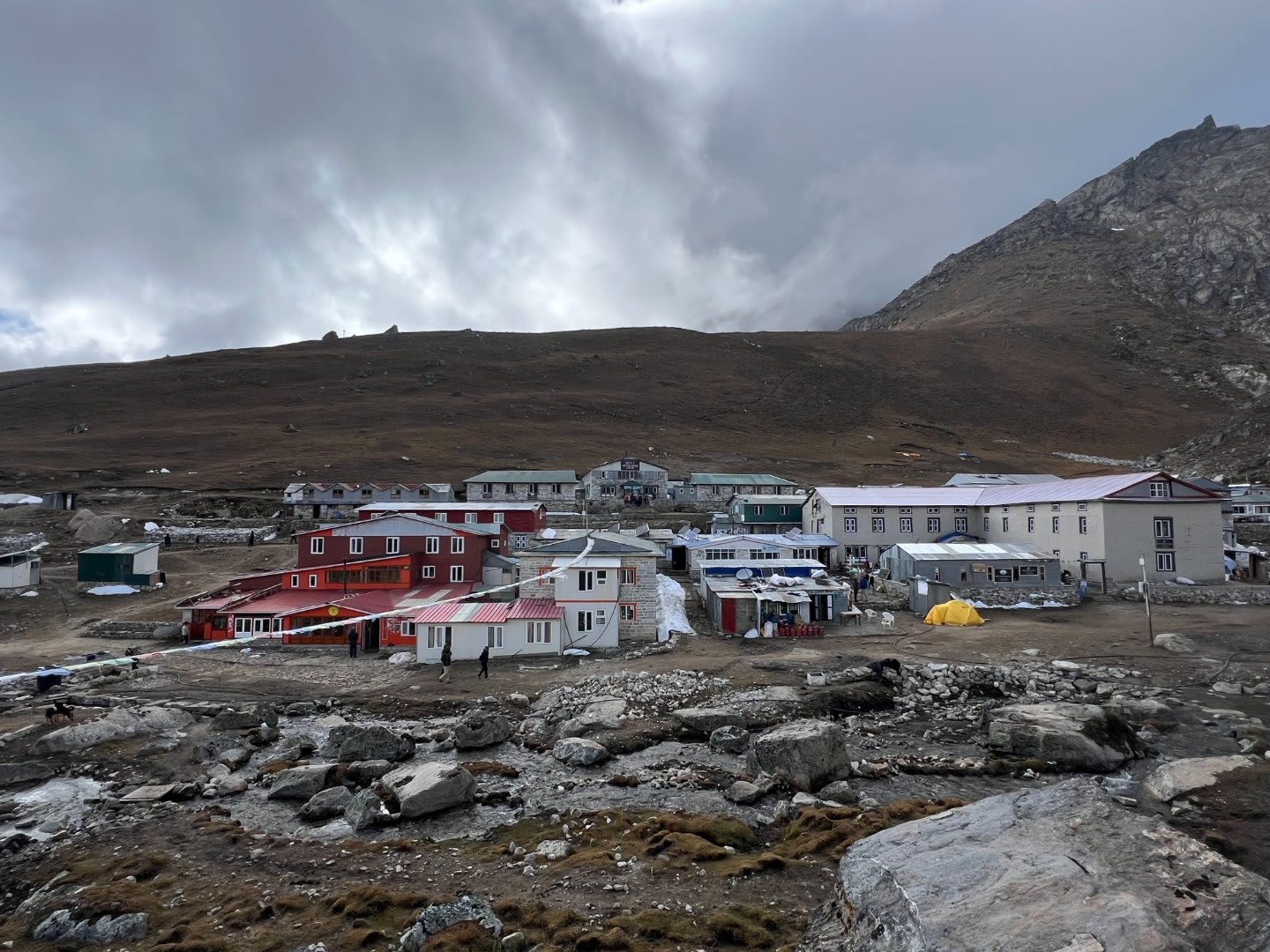
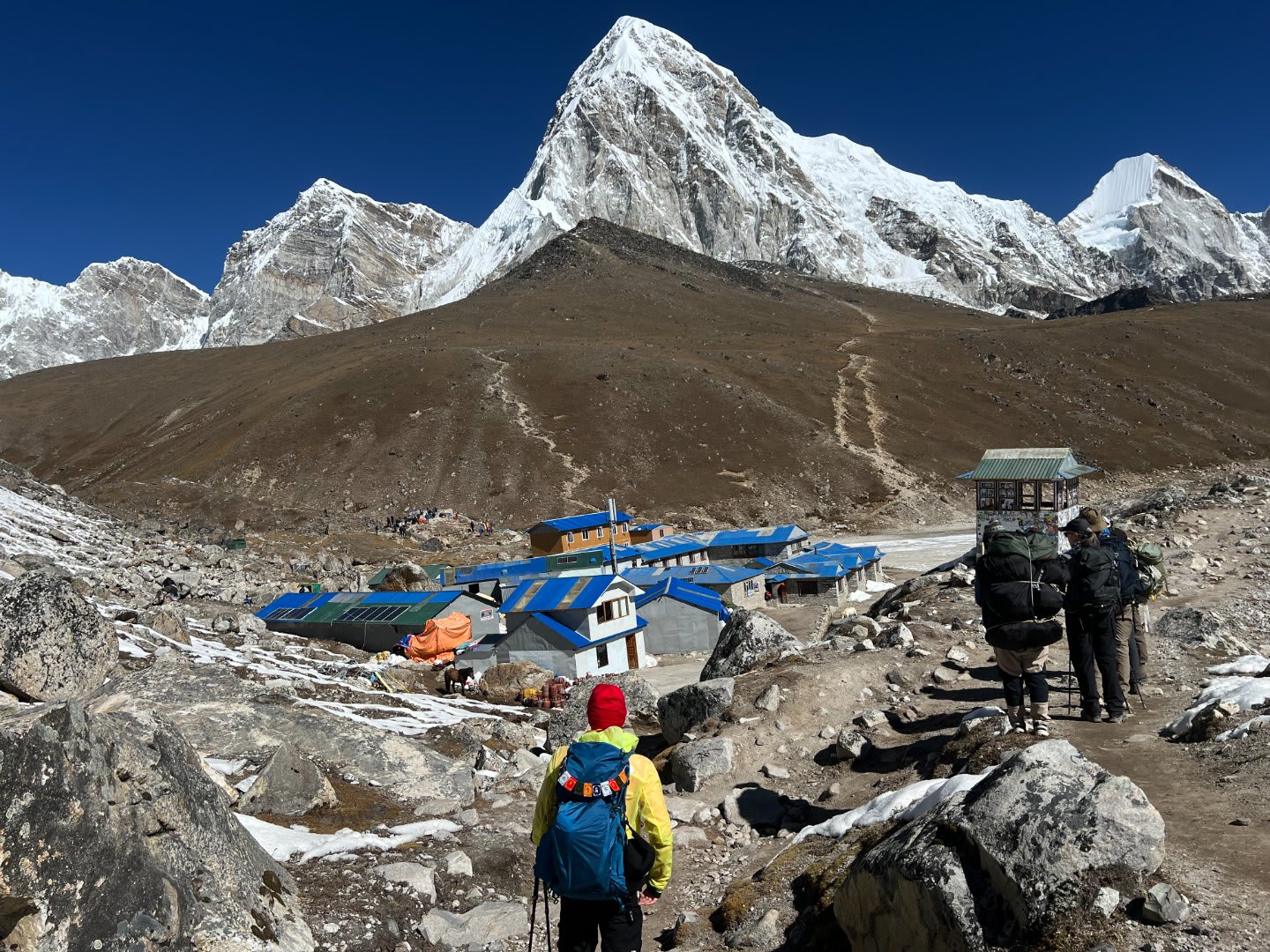
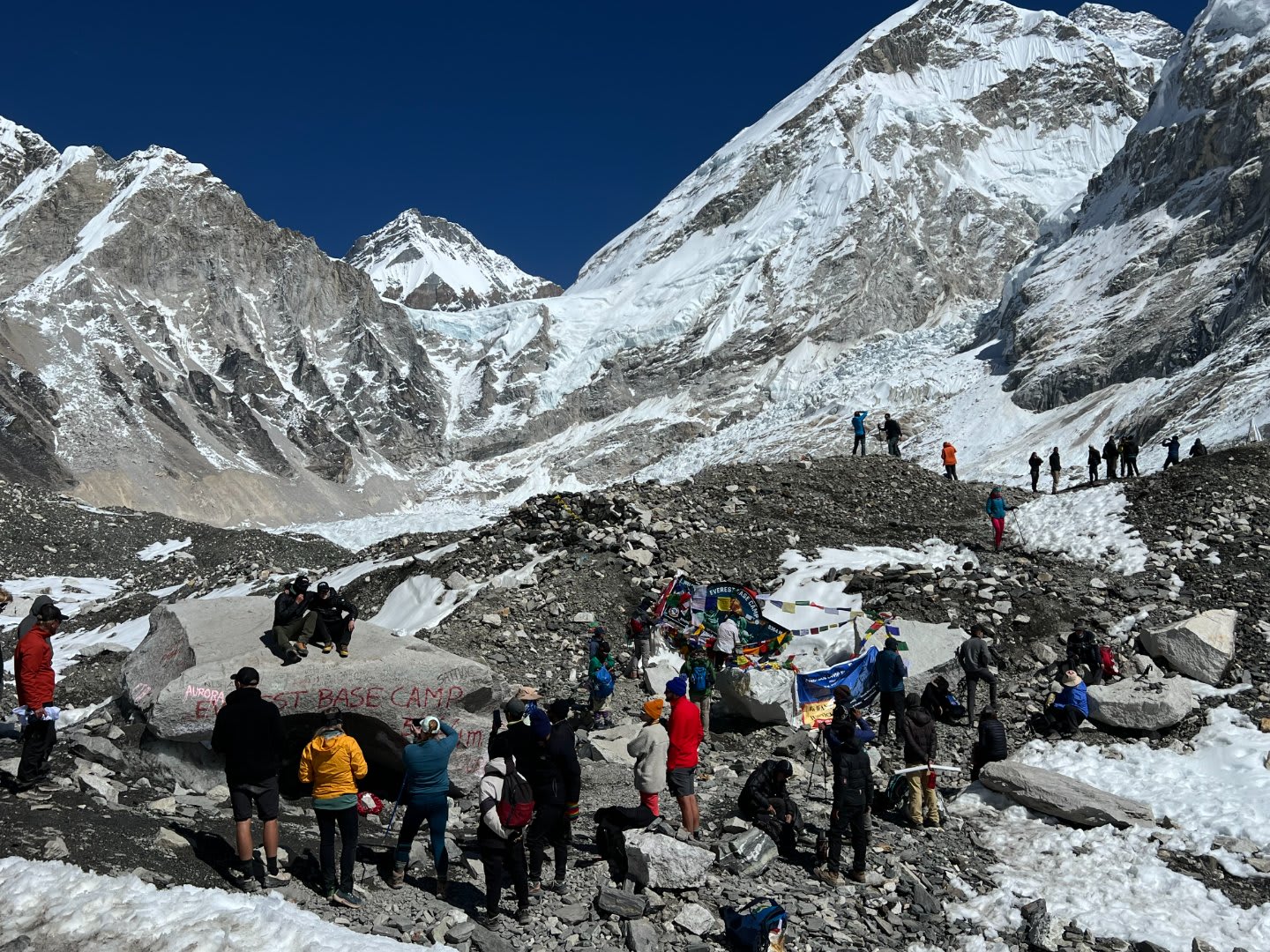
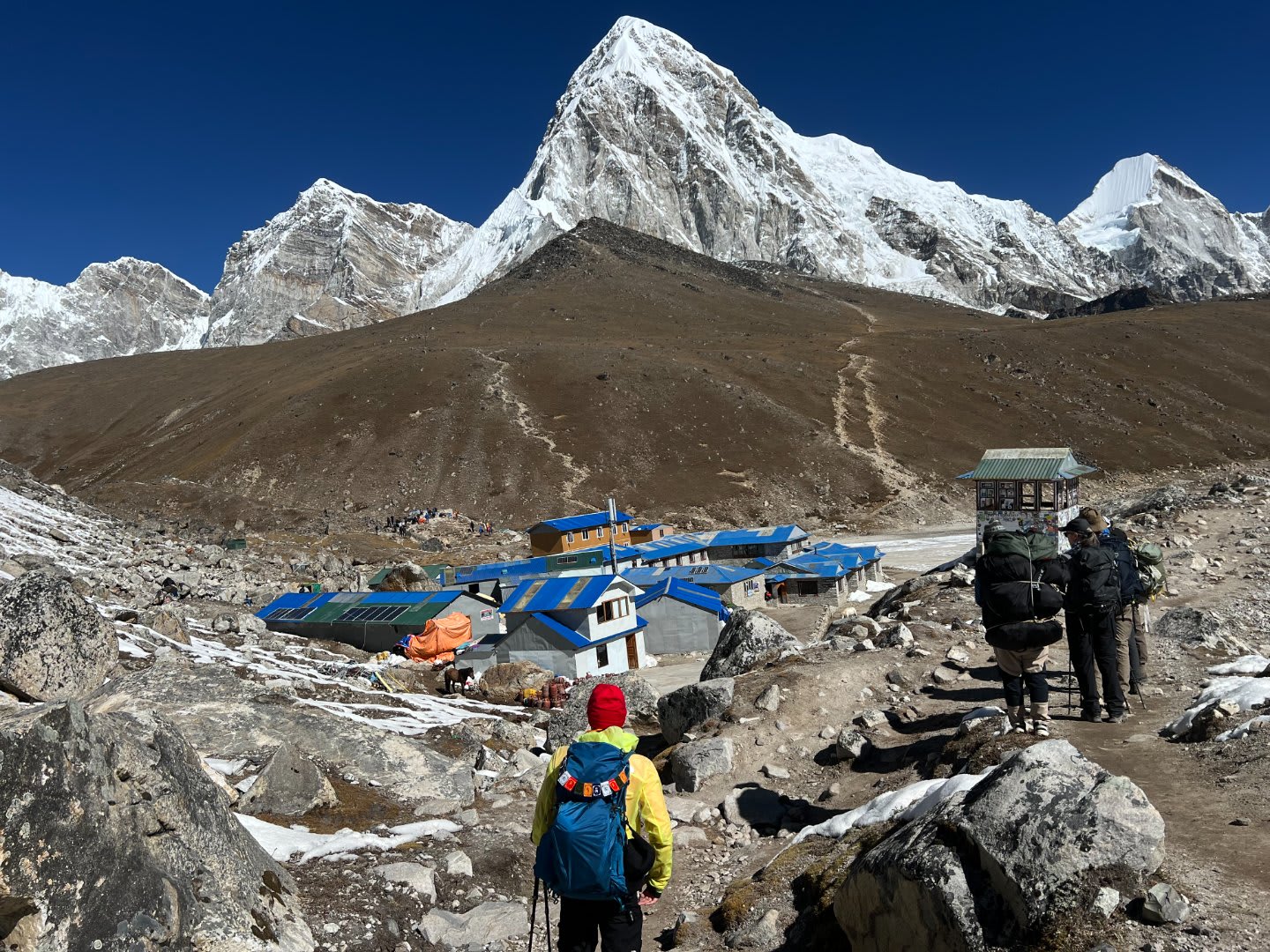
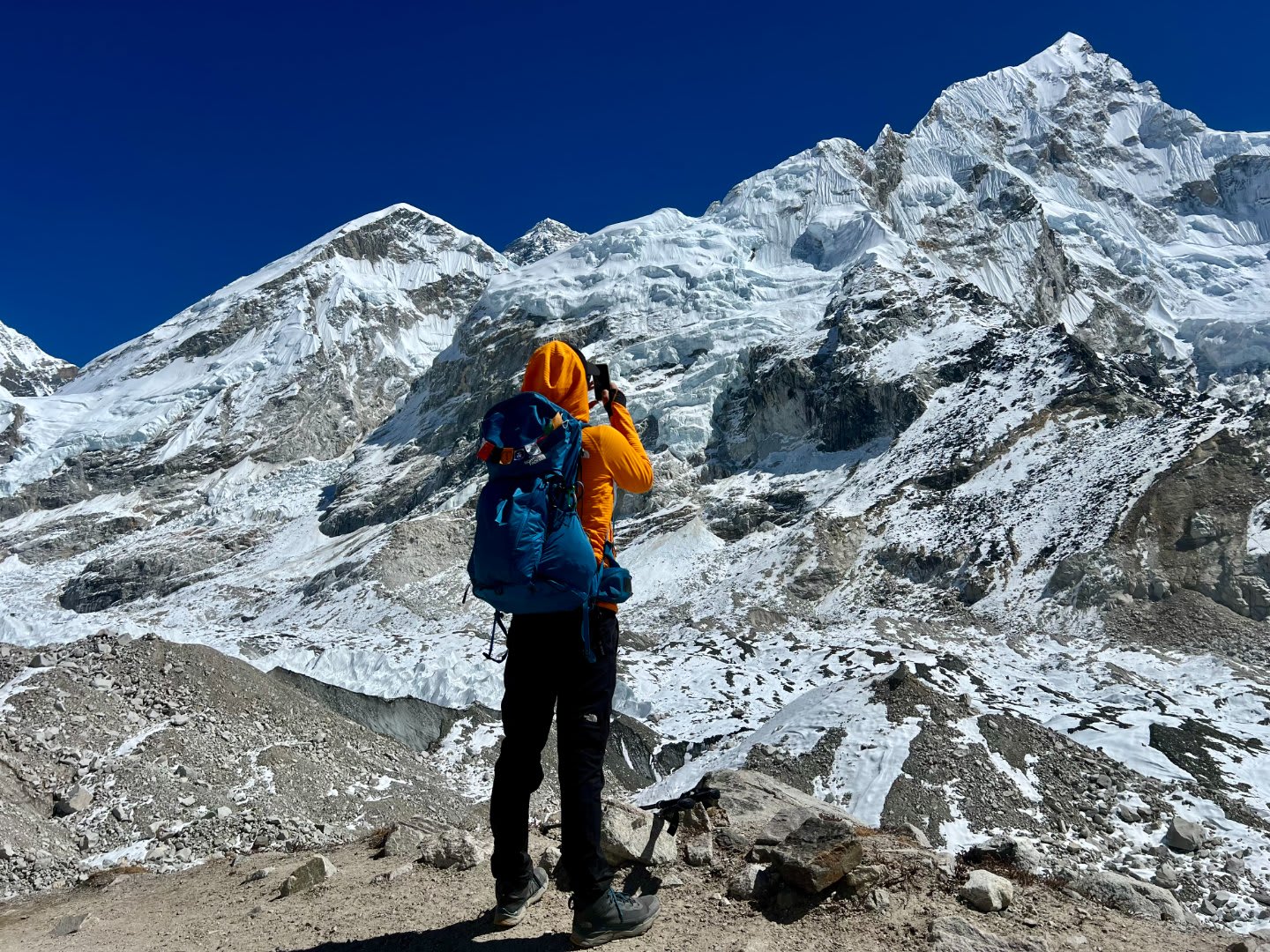
Today is the most awaited and rewarding day of your journey. Today, we start our journey from Lobuche through the rugged lateral moraine of the Khumbu Glacier. It is a difficult and rocky journey, but the scenic beauty of the high-altitude mountains is breathtaking. Finally, after several hours of trekking through the rugged and difficult terrain, we reach the last settlement Gorak Shep (5,164m) before Everest Base Camp. From this point, we have the most breathtaking views of the towering Himalayan mountains. After taking some rest and leaving our baggage at the lodge, we move further to our final destination. As we trek through the glacier, finally we reach our destination Everest Base Camp (5,364m), which is the closest point to Mount Everest without the help of climbing gear and equipment. It is the foot of the Khumbu Icefall, which is an unforgettable and emotional experience in itself. The achievement of reaching Everest Base Camp is the greatest triumph of determination, endurance, and courage in the face of adversity. It is the greatest moment of pride in the journey of your life, which will always remind you that hard work and determination can turn your biggest dream into reality.


Climb to Kala Patthar(5,555m/18,208ft) and trek to Gorak Shep to Pheriche 4,371 m (14,340 ft)
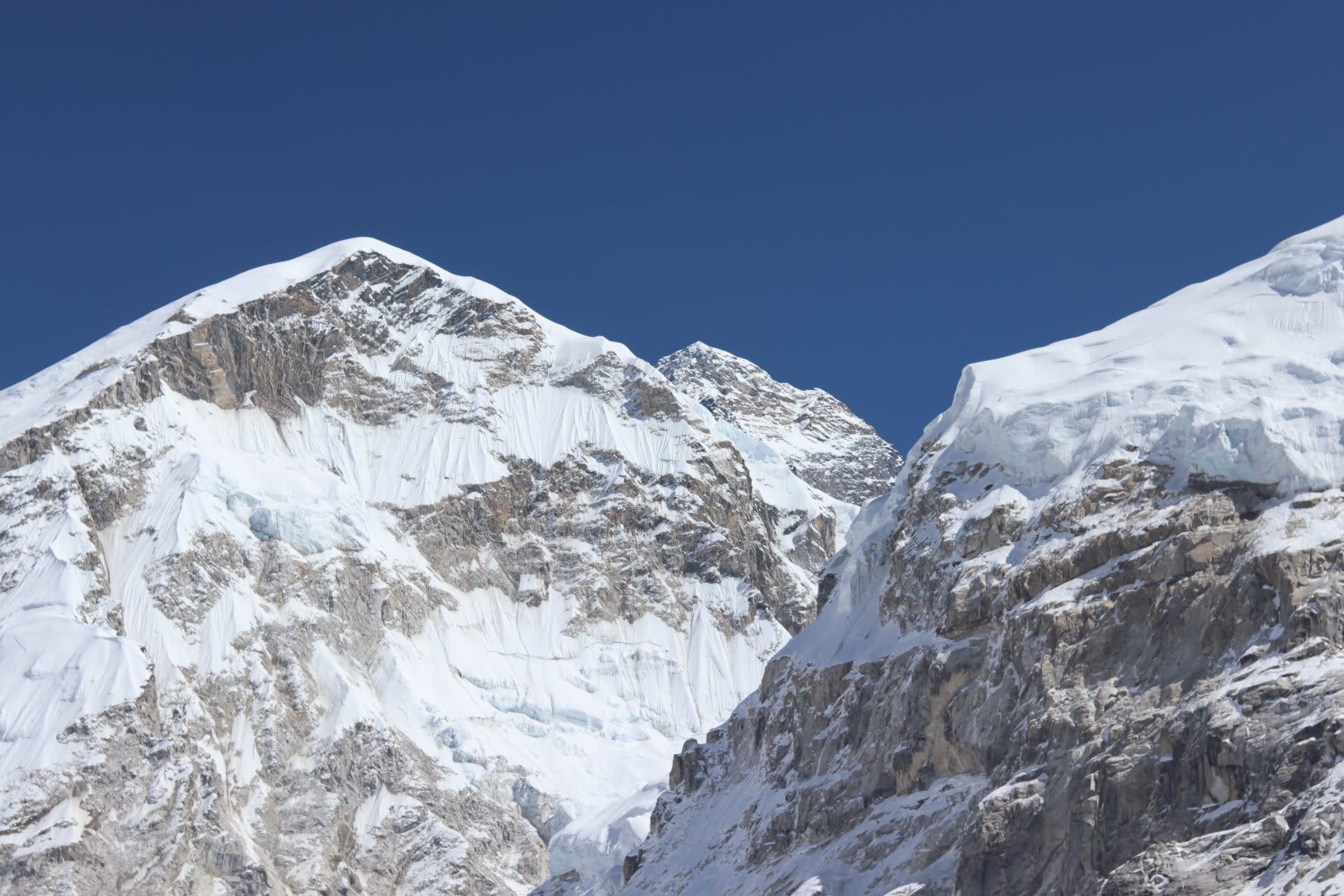
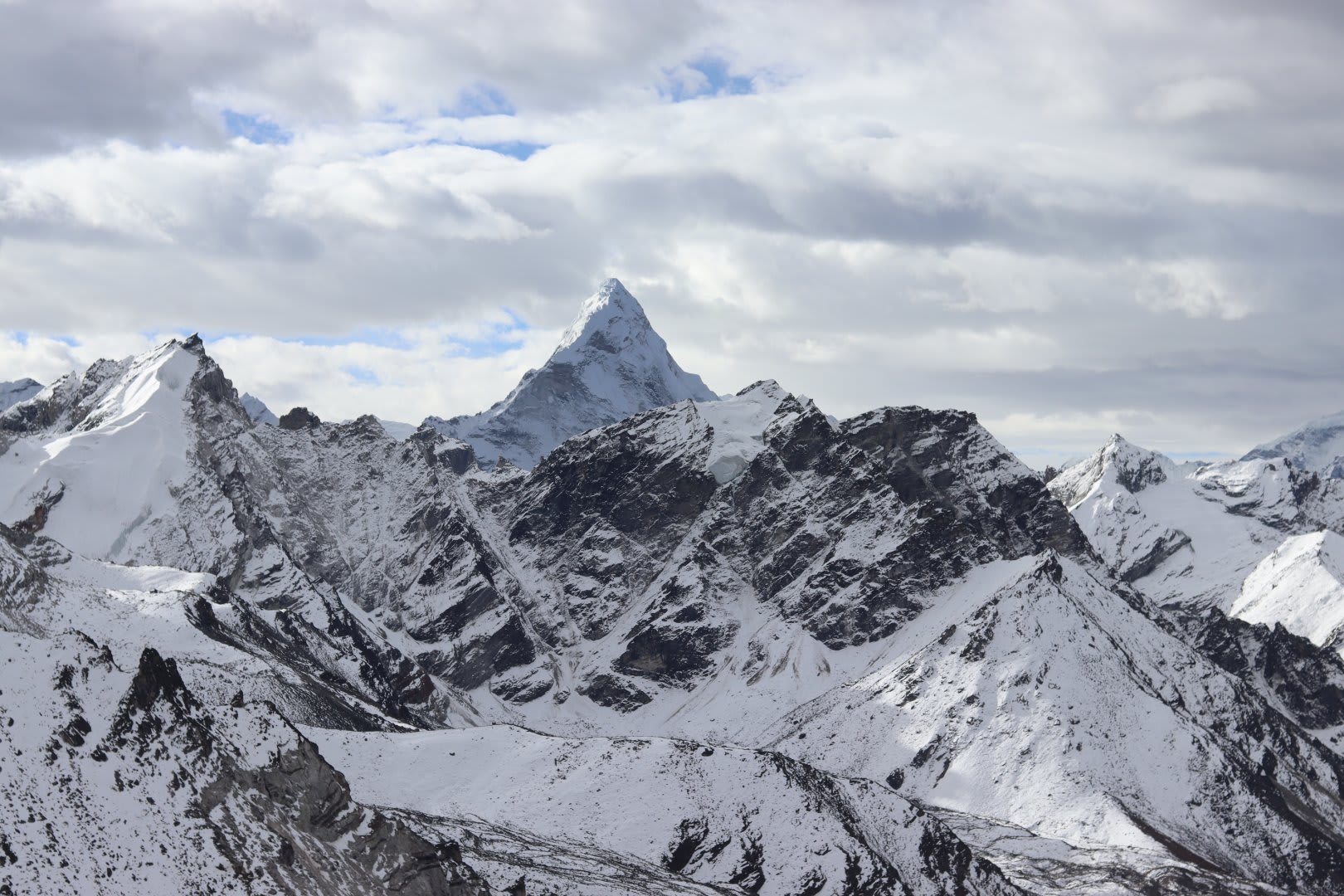
This day is the actual climax of your adventure on Everest. We wake up early in the morning before dawn and embark on a steady climb to Kala Patthar (5,555m), the highest point of our trek and the best place for a close-up view of Mount Everest. Upon reaching the top of Kala Patthar, we get a breathtaking view of a sunrise as the golden rays of the sun illuminate not only Mount Everest but also surrounding peaks such as Nuptse, Lhotse, and Pumori. The views of the Himalayas from this place are just incredible and offer the best photo opportunity of your trekking adventure. After enjoying the views of the Himalayas from the top of Kala Patthar, we head back down towards Gorak Shep for breakfast and a rest. We head downwards through rough alpine terrain towards Pheriche . As we descend further, our breathing becomes easier as we move into a wide valley surrounded by towering peaks.
Trek from Pheriche (4,371m 14,340 ft) to Namche Bazaar (3,440m/11,285 ft)
Finally, after days of climbing up, today is the day that marks the beginning of our journey back down. We wake up in Pheriche (4,240m) and have breakfast before trekking back down through the open valleys and alpine meadows. We follow the gentle course of the Dudh Koshi River, passing through familiar villages and beautiful forest tracks. With the breathing getting easier and the warmth of the climate a welcome respite from the thin air near Everest Base Camp, the trekking is enjoyable. We head back through the familiar villages of Pangboche and Tengboche, following the mountain trekking route through the beautiful meadows before finally heading back down to Namche Bazaar (3,440m). It feels like a welcome respite to be back in the bustling town of Namche Bazaar, with cafes, bakeries, shops, and Wi-Fi available.


Trek from Namche Bazaar to Lukla (2,850m/9,350 ft)
On our final day of trekking, we trek back towards Lukla (2,850m) from Namche Bazaar via the picturesque Dudh Kosi Valley. The trekking route gives us a new view of the mountains, rivers, and villages we had previously crossed during our ascent. This trekking route is as picturesque as our ascent. During our trekking journey towards Lukla, we trek through the forest paths, suspension bridges, and villages. Finally, we arrive at Lukla and stay in a comfortable tea house for our overnight stay before we fly back to Kathmandu the next day, reflecting on the amazing trekking journey we had accomplished.



Fly back to Kathmandu (1,350m)
After successfully completing your trekking adventure, your journey continues as you take a flight back towards the lowlands from Lukla. Depending on the trekking season, your flight may be direct to Kathmandu or via Manthali, followed by a five-hour drive to Kathmandu. Peak trekking seasons: March, April, May, September, October, November Flights during this period operate via Manthali due to air traffic and weather conditions. Off-season: December, January, February, June, July, August Direct flights operate during this period. You can also choose not to take the Lukla-Manthali-Kathmandu flight by taking a private helicopter from Lukla to Kathmandu. The cost for this is about 550 USD per person if shared among five people. Upon arrival in Kathmandu, you can relax and do whatever you want as you reflect on the unforgettable memories of your trekking adventure. In the evening, we at Destination Guru Tours and Treks will arrange a farewell dinner for you as we bid a memorable farewell.
Trip Inclusions & Exclusions
Inclusions
- Domestic Airport picks up/Drop off transports by private Car/Jeep.
- Three meals a day (Breakfast, lunch, and dinner) during the trek.Trekking Lodge (Tea House) accommodation during the trek.
- All necessary paperwork including Sagarmatha National Park Entry Permit & Khumbu Pasang Lhamu Rural Municipality fees.
- Kathmandu-Lukla-Kathmandu (Ramechhap -Lukla- Ramechhap) flight with private airport transfer and domestic airport tax.
- A highly experienced, helpful, knowledgeable, friendly, English speaking well trained, Government license holder guide with all his salary, food, drinks, accommodation, transport and insurance.
- Strong, helpful Sherpa porters with proper safety equipment and walking equipment, his salary, food, accommodation, and insurance (one porter for two people).
- Comprehensive medical supplies (first aid kit will be available).
- Arrangement of emergency helicopter service (paid by your Travel Insurance Company).
- Government taxes and official expenses
- Trip achievement certificate after successful trip completion.
- Oxygen meter to check your pulse and oxygen saturation and heart rate twice daily (Very useful to check Altitude Mountain Sickness(AMS) symptoms) which will ensure your health during the trek.
- Assistant guide for groups of 8 or more people.
Exclusions
- Nepal entry visa fee (easy to obtain the visa on arrival at Tribhuvan International Airport – Kathmandu). $30 USD for 15-day, $50 USD for 30 Days, and $125 USD for 90 Days visa.
- Personal travel and medical insurance.
- International airfare.
- Your personal expenses
- All the alcoholic and nonalcoholic, soup, tea, coffee, hot chocolate, cocoa, mineral water, extra food, cold and hot drinks on trek ( i.e. those you choose to purchase along the way and during evenings in the tea houses
- All desserts & sweet things like chocolate, cake, pie, pudding(other then your inclusion)
- Hot shower, Wifi and battery charging at the tea houses.
- Tips for the guide, porter, and driver (tipping is expected)
- Excess baggage of more than 10 kg for Lukla flight.
- NOTE: If you return earlier from the trek due to sickness or any problem, the money you paid for the flight, hotel, mountain room, food, etc. is nonrefundable, and you will need to bear the expenses for the hotel, food, etc. in Kathmandu yourself.
Visual Briefings
Photo Gallery
Interaction Map
Upcoming Departure Dates
No fixed departure dates available
Contact us for custom departure dates
Gear & Packing List
Head
Upper Body
Lower Body
Hands
Feet
Accessories
Toiletries
Trip Info
The 12-Day Everest Base Camp Trek, an adventure provided by Destination Guru Tours and Treks, is an exciting experience that offers trekkers the opportunity to explore the Himalayas, the highest mountain range in the world. The best time for the trek is during the Spring season, i.e., March, April, and May, and Autumn, i.e., September, October, and November, when the weather is stable, the skies are clear, and the views of the Himalayas are breathtaking. The temperature is pleasant during the Spring season, while the Autumn season offers trekkers crystal-clear views, making the experience worthwhile.
The trek is rated as moderate to challenging, as trekkers need to trek for 5-7 hours every day, crossing rough terrain, while the highest point of the trek is Kala Patthar, 5,545 meters above sea level. The trek does not require any climbing, but trekkers need to be physically fit, as the trek is challenging, requiring cardio, strength, and endurance training for the adventure to be an enjoyable experience.
Safety Tips for 12 Days Everest Base Camp Trek
At Destination Guru Tours and Treks, we prioritize your safety above all. Please follow these safety tips:
Acclimatization:
Follow the itinerary and include rest days at Namche and Dingboche
Acclimatize by gradually ascending higher
Altitude Sickness:
If you are experiencing headaches, dizziness, nausea, and fatigue
Immediately consult your guide and descend if sickness becomes severe
Take Diamox or prescribed medication after consulting your doctor
Hydration and Nutrition:
Drink 3-4 liters of water every day
Consume nutritious food with adequate carbohydrates
Avoid alcohol and smoking
Gear and Clothing:
Wear layered clothing and trekking shoes
Bring trekking gears such as trekking poles
Bring waterproof clothing due to unpredictable weather
Weather Conditions:
Weather changes frequently in the mountains
Include extra days in your itinerary in case of flight delays from Lukla
Travel Insurance:
Your insurance policy must include trekking up to 6000m and emergency helicopter services
Expert Guidance:
We have licensed guides and porters who will keep you safe and provide expert advice
By following these safety tips, your trek will be safe and enjoyable.
How to Prepare for the 12-Day Everest Base Camp Trek
Physical Fitness:
Start 6-8 weeks prior to the trip
Cardio: Running, cycling, swimming, or fast walking
Strength: Squats, lunges, step-ups, planks
Endurance: Weekend treks with backpacks
Mental Preparation:
Be prepared for long days and unpredictable weather
Enjoy the scenery and cultural experiences
Patience and determination are the keys
Altitude Preparation:
Trek slowly, stay hydrated, and acclimatize
Do some short high-altitude treks before the trip
Gear Essentials:
Clothing: Base layers, fleece, down jacket, outer shell
Footwear: Trekking boots, camp shoes
Accessories: Sunglasses, sunblock, gloves, hats, buff, trekking poles
Sleeping bag: -10°C to -15°C (available for rent in Kathmandu)
Hydration: Water bottles or bladder, water purification
Miscellaneous: Headlamp, power bank, camera, medicines
Questions & Answers
Guest Reviews
No reviews yet for this trek.
Group Discounts
Best Value**Discounts are based on your group size. We do not mix groups.