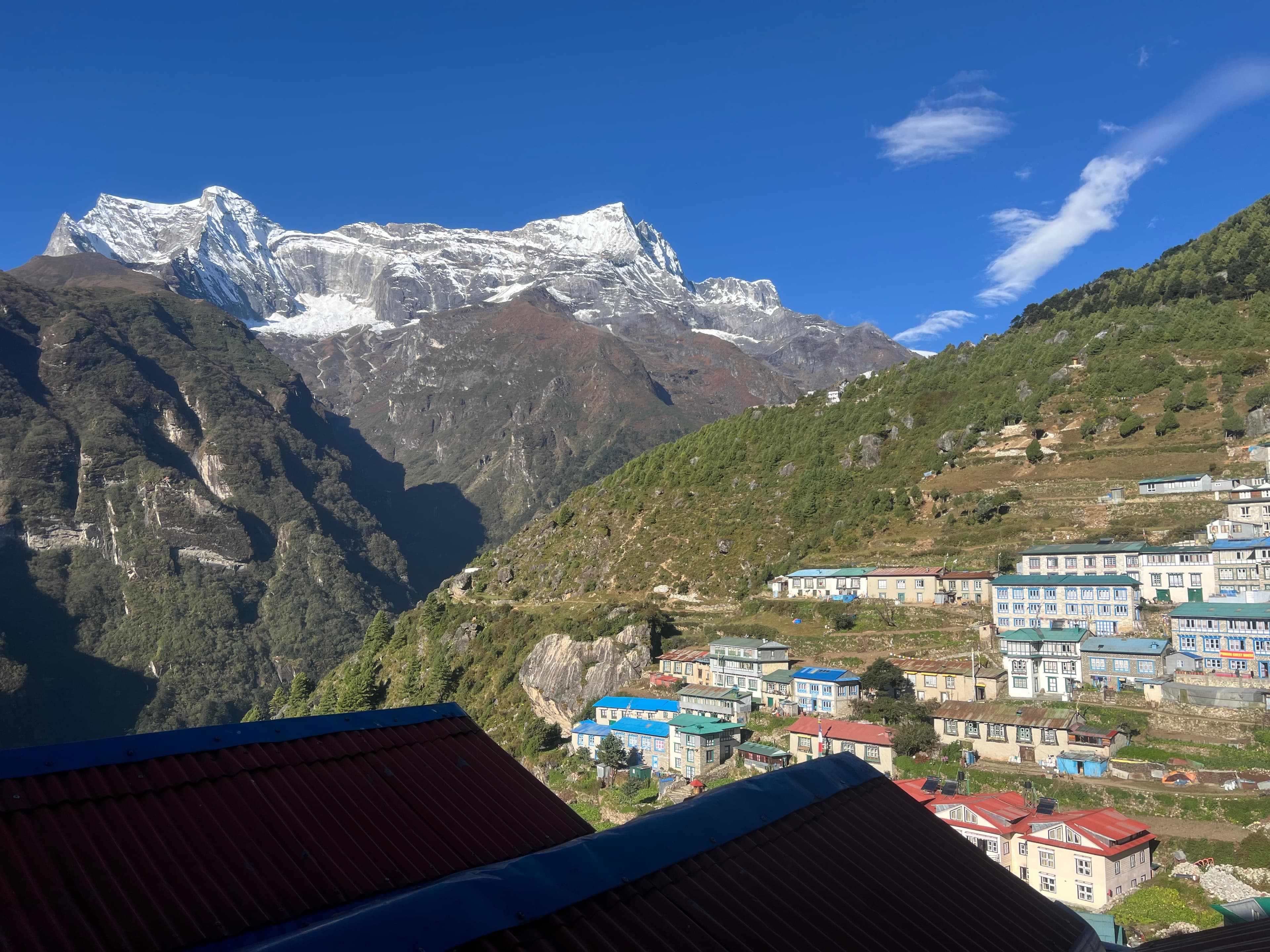
The Everest Base Camp (EBC) trek in Nepal is more than just a hike—it’s a life-changing adventure that takes you deep into the heart of the Himalayas. From snow-capped peaks and ancient monasteries to vibrant Sherpa culture and breathtaking landscapes, this trek offers an unforgettable experience for travelers from around the world.
Where the Adventure Begins
The journey to Everest Base Camp usually starts with a thrilling flight from Kathmandu to Lukla, one of the world’s most famous mountain airstrips. As the small plane descends between towering hills, excitement builds instantly. From Lukla, the trek begins on foot, winding through charming villages, suspension bridges draped with prayer flags, and lush forests of pine and rhododendron.
Each day brings new scenery and a gradual rise in altitude. The trail follows the Dudh Koshi River, passing through villages like Phakding and Namche Bazaar, the bustling hub of the Khumbu region. Namche is a highlight for many trekkers—a lively mountain town filled with cafés, bakeries, gear shops, and stunning views of peaks like Thamserku and Kongde Ri.
Culture, People, and Spirituality
One of the most rewarding aspects of the Everest Base Camp trek is the chance to experience Sherpa culture. The Sherpa people are known for their strength, resilience, and hospitality, and their presence is felt throughout the journey. Mani stones carved with prayers, spinning prayer wheels, and colorful monasteries line the trail, adding a deep sense of spirituality to the trek.
A visit to Tengboche Monastery is especially memorable. Set against the dramatic backdrop of Ama Dablam, this sacred site is the spiritual center of the Khumbu region. Many trekkers pause here to reflect, enjoy the peaceful atmosphere, and take in one of the most iconic views in Nepal.
The Challenge of Altitude
As the trek continues toward Dingboche and Lobuche, the landscape becomes more rugged and alpine. Trees disappear, replaced by rocky terrain and vast mountain views. Altitude becomes a real challenge, making acclimatization days essential. Walking slowly, staying hydrated, and listening to your body are key to a safe and enjoyable trek.
Despite the physical demands, the sense of achievement grows stronger with each step. Surrounded by giants like Lhotse, Nuptse, and Pumori, trekkers often feel both humbled and inspired by the scale of the Himalayas.
Reaching Everest Base Camp
Finally, after days of trekking, you reach Everest Base Camp at an altitude of around 5,364 meters (17,598 feet). While Mount Everest itself isn’t fully visible from base camp, standing at the foot of the world’s highest mountain is an emotional and powerful moment. Colorful expedition tents, glaciers, and icefalls surround you, reminding you that this is where climbers begin their ascent to the summit.
Many trekkers also hike up Kala Patthar early in the morning for one of the best views of Mount Everest. Watching the sunrise paint the peaks in shades of gold and pink is often described as the highlight of the entire journey.